
Effective Solutions for Bathtub Drain Issues
Intro
Maintaining the functionality of a bathtub drain can often be neglected, yet it's crucial for a seamless bathing experience. As a homeowner or renter, being equipped with knowledge on diagnosing and fixing common drainage issues is invaluable. From slow drainage to unpleasant odors, these problems can be both annoying and disruptive. This guide delves into practical solutions that anyone can tackle without needing a plumbing degree. With the right tools and a bit of know-how, you can keep your bathtub in pristine condition.
Understanding Your Bathtub Drain
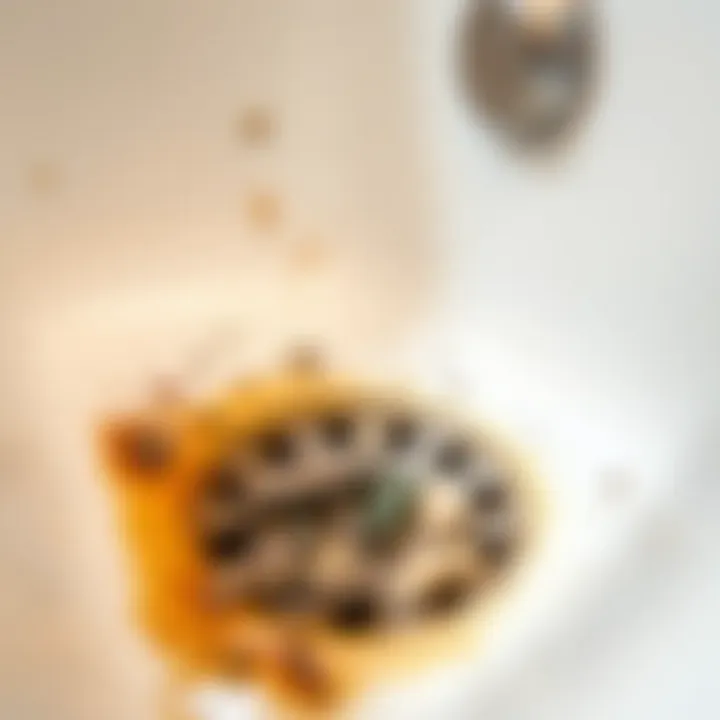
A bathtub drain isn't just a hole; it encompasses several components that work together to remove water efficiently. Typically, it consists of a strainer, a drain assembly, and a trap. Any of these elements can become obstructed or damaged over time, which leads to poor drainage. By understanding how each part functions, you're better prepared to address potential issues.
"Prevention is better than cure"—a saying that rings true for maintaining your plumbing systems. Regular checks and timely maintenance can save you from dealing with more serious problems down the line.
As we venture further into this guide, expect to uncover insights into common woes like clogs, leaks, and how to handle them like a pro. You'll also find a treasure trove of tools that can simplify your repair process—think of them as your trusty sidekicks on this journey.
In the upcoming sections, we will lay out step-by-step instructions for various fixes and maintenance tips. So roll up your sleeves, grab your tools, and let’s dive into the nitty-gritty of bathtub drain repair.
Prologue to Bathtub Drain Issues
Bathtub drains might seem like small components of our home plumbing, but they play a huge role in maintaining a functional and cozy washroom. A clogged or malfunctioning drain can quickly become a headache, resulting in unpleasant situations like foul odors, slow drainage, or even water damage. Understanding the common issues that can occur with bathtub drains is essential for homeowners and renters alike. This section will navigate through these stumbles, which will help you diagnose problems before they escalate, providing a practical basis for all subsequent repair efforts.
Common Drain Problems
When you look at drain problems, they fall into a few typical categories. These issues may not seem daunting at first glance, but if left unchecked, they can lead to significant inconvenience and costly repairs. Here are some of the most common culprits:
Clogs and Blockages
Clogs and blockages are the most prominent drainage issues homeowners encounter. Hair, soap scum, and other debris easily accumulate, leading to restricted water flow. When a drainage system is struck by a blockage, it turns the bathtub experience into a torrent of frustration. A key characteristic of this problem is the gradual nature of its onset – one moment everything is functioning fine, and the next, you’re standing in ankle-deep water. It's a popular topic due to its prevalence, and ignoring clogs can lead to even bigger messes down the line.
In this article, tackling clogs is beneficial because it's often straightforward, requiring little more than elbow grease and a couple of tools. However, digging deeper – both literally and figuratively – into the issues can uncover more troubling blockages hidden further down the line.
Slow Draining
Slow draining, while less immediately alarming than a complete block, should not be overlooked. This problem can be a sign of an impending backup – water trickles at its own lazy pace, leaving the tub to fill up slowly. Generally, this occurs due to the narrowing of pipes over time, often resulting from accumulated debris. The frustration of waiting for the water to drain can lead to impatience and a sense of urgency among users.
This issue is critical to address because it hints toward more significant problems brewing within the system. Leaving it untreated can result in water pooling, which could potentially damage not just the plumbing but the surrounding interiors, too.
Leaks and Water Damage
Leaks, while often subtle, whisper their presence through telltale signs like dark spots on ceilings or walls beneath the bathtub. Even a small drip can lead to serious water damage over time, causing mold growth and structural harm. Homeowners often underestimate this issue; the quiet persistence of a slow leak can create a mountain out of a molehill.
The unique feature here is that leaks can come from various sources—rusty pipes, loose joints, or improper fittings, making it vital to thoroughly inspect your bathtub drain setup. Treating leaks promptly is essential because they not only pose a risk to your plumbing but can also lead to expensive repairs and health concerns.
Improper Assembly
Sometimes, the root cause of drain issues lies in improper assembly. This might involve poorly fitted pipes or loose connections that amplify the risks of leaks and blockages. Disturbingly, it can often go unnoticed until significant problems arise – a lazy installation could manifest as recurring hurdles in drain functionality.
Identifying improper assembly as a concern is crucial, as it calls attention to the importance of a well-structured plumbing system. You might find that fixing these issues can not only resolve current problems but prevent lingering troubles in the future.
Importance of Timely Repairs
Ignoring drain issues usually leads to messy outcomes that can escalate into major repairs. While it might seem like a nuisance at first glance, getting to the root of these problems quickly can save you from a great deal of hassle and a hefty bill down the line. Here are a few crucial aspects to consider:
Preventing Water Damage
Water damage is sneaky, creeping into surfaces and causing trouble silently. Preventing it means being proactive about identifying and repairing drain issues before they grow. Timely repairs can preserve your home’s integrity, as structural water damage can lead to costly renovations.
Most notably, once water damage occurs, it often requires more than just superficial fixes; peeling wall paint or damaged flooring can mean a long-term investment in repairs instead of a small fix on the plumbing side.
Maintaining Hygiene
A clogged or poorly functioning drain can stir up unsightly messes, even inviting bacteria growth and unwelcoming odors into your home. Regular maintenance of your bathtub drains can help keep hygiene standards up to par. A clean drain contributes to a clean bathroom experience, enhancing overall comfort within your home.
By staying ahead of potential issues, not only do you ensure a pleasant bathing experience, but you also protect the health of your family.
Enhancing Longevity of Plumbing Fixtures
By taking timely action on drain issues, you're also investing in the longevity of your plumbing system as a whole. Every minor fix helps the entire setup run smoothly. Just like regular check-ups promote health, trust that preventative measures extend the life span of your plumbing fixtures. The better you care for them, the less likely it is that you’ll face emergency repairs.
Essential Tools and Materials
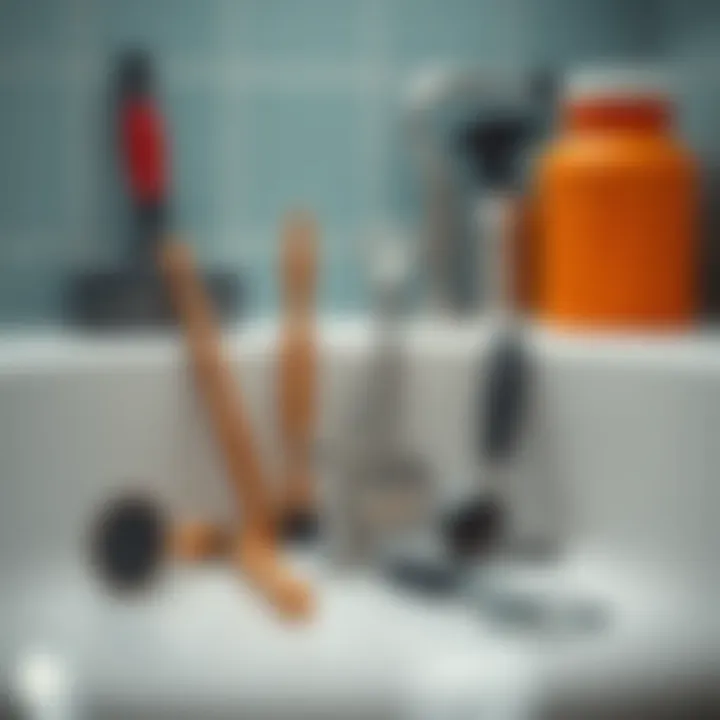
When it comes to tackling issues with a bathtub drain, having the right tools and materials can make all the difference. Each tool or material serves an essential purpose, helping to simplify the repair process and ensure effectiveness. Not only does using proper tools facilitate smoother restoration, but they also minimize potential damage to your plumbing system. With that in mind, understanding which tools and materials are indispensable is crucial for homeowners, renters, or anyone managing their own home maintenance.
Basic Tools Required
Plumber's Snake
A plumber's snake, often referred to as a drain snake, is a fundamental tool for anyone dealing with drain problems. This handy device provides a means to reach and remove clogs that might be lurking deep within the pipes, beyond the reach of standard cleaning methods. The key characteristic that sets the plumber's snake apart is its flexible shaft, allowing it to navigate the curves of plumbing systems.
While a plumber’s snake is a go-to choice for many because it offers a non-chemical solution to stubborn clogs, it does have some nuances. One of its unique features is the varying sizes and styles available; some are manual, while others are powered. The main advantage lies in its ability to physically eliminate blockages, but improper use can potentially damage pipes if not maneuvered carefully.
Wrench
The wrench is another essential tool in your plumbing toolkit. It is primarily used to tighten or loosen nuts and bolts that secure your bathtub’s drain assembly. The key characteristic of wrenches is their variety, from adjustable to socket styles, ensuring you can tackle any fitting size.
What makes the wrench a beneficial option for this article is its importance in providing mechanical leverage when dealing with stubborn fixtures. A good wrench can handle significant torque, and its unique feature often includes built-in grip or padding to avoid slipping. However, care must be taken not to over-tighten, which could lead to damage or leaks in the future.
Screwdriver
Screwdrivers come in many shapes and sizes, making them an indispensable tool. For bathtub drains, flat-head and Phillips screwdrivers are typically the most useful. This tool allows you to remove screws from drain covers or assemblies efficiently. One of the key characteristics is the precision with which it can operate in tight spaces, making it ideal for delicate tasks.
Screwdrivers are a popular choice due to their accessibility and ease of use. Each screwdriver is designed with a specific head type, which aligns perfectly with the screws they are intended to turn. However, using the wrong type could strip the screw, rendering repairs more complicated—this is their distinct disadvantage.
Pliers
Pliers serve various functions in plumbing work. In regards to bathtub drain issues, they can help grip and adjust fittings or remove stubborn components. The key characteristic of pliers is their versatility; they come in different types, such as needle-nose and locking pliers. Their unique feature is the grip they provide.
Pliers are a beneficial tool as they allow for greater mechanical advantage, enabling you to exert more force than with your hands alone. However, like wrenches, there is a drawback: if misused, they can squeeze too tightly and cause damage to soft materials around plumbing joints.
Materials for Repair
Sealant
Sealants play a crucial role in maintaining watertight fittings, vital for preventing leaks around your bathtub drain. The key characteristic of sealants is their adhesive properties, often formulated to withstand water exposure. They serve not only to fix existing leaks but also act as a preventive measure against future plumbing issues.
Why is sealant a popular choice for drain repairs? Unlike other fixes, sealants work to create a durable bond that can last for years when applied correctly. Some sealants also offer flexibility, adapting to expansion and contraction of materials. The disadvantage, however, is that improper curing can lead to ineffective sealing, making it essential to follow product instructions closely.
Replacement Parts
Over time, the components in your tub's drainage system can wear down, making replacement parts necessary. These include things like drain stoppers, gaskets, and washers. The key characteristic of replacement parts is that they are designed to fit specific models and systems.
Opting for high-quality replacement parts is a vital choice in prolonging the lifespan of your tub’s drainage. A proper match ensures that you won’t run into leaking problems due to mismatched parts. One downside might be the need for regular checks and potential reordering as wear and tear inevitably catch up.
Cleaning Solutions
Cleaning solutions are key to preventing blockages and maintaining optimal drain flow. They can range from traditional household items like baking soda and vinegar to commercial drain cleaners. The key characteristic of effective cleaning solutions is their ability to break down build-up over time.
Choosing the right cleaning solution is beneficial as it contributes not only to hygiene but also to increasing the efficiency of your plumbing system. Certain cleaners can dissolve hair, soap scum, and other debris. However, strong chemical solutions can sometimes be harsh on pipes and should be used with caution to safeguard against potential damage.
Diagnosing the Problem
Understanding how to diagnose the issues with your bathtub drain is like having a treasure map; it guides you straight to the problems that need fixing. This part of the article emphasizes the necessity of accurately pinpointing the trouble before jumping into any repairs. If you don’t know what the underlying issue is, you might find yourself barking up the wrong tree and wasting valuable time and resources.
Diagnosing potential problems not only saves you from making ill-informed decisions but also helps prevent further complications down the line. Think of it as preventive medicine for your plumbing: identify the symptoms early, and you can nip those problems in the bud.
Observation Techniques
The first step in diagnosing is through careful observation. Not all problems are obvious at first glance, so taking a closer look can reveal hidden issues.
Checking for Visible Clogs
When inspecting for visible clogs, your focus is on what your eyes can see. Hair strands, soap scum, and other debris often gather at the drain entry, which can easily be removed by hand or with a forked tool. This technique is beneficial because it's straightforward—often requiring nothing more than a little elbow grease. The beauty here lies in capturing issues before they worsen, saving you from a much larger headache later.
However, a downside is that visible clogs don’t always paint the full picture. Sometimes, the real culprits lie deeper in the pipes, hiding out of sight. So while checking for visible obstructions is a solid first step, keep in mind it may only address surface complications.
Listening for Unusual Sounds
Ever notice strange gurgling or bubbling noises coming from your bathtub? Those sounds can give you crucial clues about what’s plaguing your plumbing. Listening for unusual sounds helps identify air locks or potential blockages. The key characteristic of this method is its subtlety; it's often easy to miss a sound if you're not paying attention.
This technique is popular because it requires minimal effort and no tools at all—just your ears! But like with any approach, it has its limitations. Sometimes, distinguishing between normal sounds and problematic ones can be tricky, particularly in older homes with aging plumbing.
Monitoring for Water Levels
When you closely observe the water levels in your tub, you’re taking a proactive approach. If you notice that water remains stagnant or drains slowly, it can be an indicator of a blockage somewhere else in the system. This method serves as a beneficial choice for any homeowner, as it can alert you to potential drain issues without requiring any disassembly or heavy lifting.
The unique feature here is that monitoring can be done over time, allowing for a pattern to emerge that may highlight more significant issues. Yet, a drawback is that it requires patience; it might take some time to observe clear trends and decide on your next steps.
Using Tools for Diagnosis
Sometimes relying solely on observation isn’t enough; that’s where tools come into play. Utilizing equipment not only enhances accuracy but often simplifies the entire process.
Employing a Plumber's Snake
A plumber's snake is a mechanical device used to clear clogs from drains, and it can be invaluable for diagnosing deeper problems. With its flexible metal structure, it can navigate tricky bends in pipes, reaching blockages that manual efforts might miss. The key characteristic of this tool is its effectiveness, as it often gets right to the heart of the issue.
This method is a popular choice because of its versatility. A plumber's snake can both diagnose and clear clogs, making it a real two-for-one deal. On the flip side, not everyone feels comfortable using such a tool, and improper technique could potentially cause further issues.
Utilizing a Camera Inspection
For a truly in-depth diagnosis, a camera inspection is the crème de la crème. This method involves feeding a small camera into your pipes, providing a live feed of the plumbing condition. The importance of this technique cannot be overstated; it takes the guesswork out of diagnosing drain issues.
Its primary advantage is precision—you're able to pinpoint exactly where the problem lies without invasive digging or removal. However, it does require specialized equipment and often professional assistance, making it a less practical choice for the average homeowner.
By employing these various methods and tools, you can truly grasp the state of your bathtub drain. From observing surface problems to depth diagnostics using specialized equipment, each technique adds another layer of understanding. In the culmination of these efforts lies the potential to effectively resolve the issues at hand.
Step-by-Step Guide to Fixing Clogs
When it comes to a bathtub drain, clogs can be a real headache. They can lead to frustrating bathing experiences and, if not addressed, may result in further plumbing complications. Therefore, having a clear and systematic approach to fixing clogs is indispensable. This guide is all about breaking down methods, offering simple solutions that homeowners can implement themselves, which not only saves money but also empowers you in home maintenance.
Removing Visible Clogs
Removing visible clogs often serves as the first line of defense against slow draining. In many cases, the source of a blockage isn’t deep within the pipes, but rather just a few inches out of sight. This aspect is crucial as it allows for quicker, stress-free resolutions without the need for complex tools or extensive procedures.
Manual Removal
Manual removal stands out as a particularly popular technique, especially for those just starting their plumbing journey. The primary draw here is simplicity. By reaching into the drain with your hands—ensuring you've activated the "gross factor" of rubber gloves—you can physically pull out hair, soap residues, and any other debris obstructing the flow. The unique feature of this method is its accessibility; it doesn’t require specialized equipment or chemicals.
However, while manual removal is beneficial, it does come with downsides that need mentioning. Not everyone might feel comfortable reaching into a drain, and there’s always a risk of not pulling out the entire blockage, leaving lingering issues.
Using Chemical Drain Cleaners
When time is of the essence and a physical approach seems less appealing, many turn to chemical drain cleaners. These potent solutions are designed to dissolve clogs, offering an almost magical quick fix. The key characteristic that makes them appealing is their ability to tackle difficult blockages. Just pour, wait, and rinse—what could be more straightforward?
That said, there's a caveat. Chemical cleaners can be harsh, not just on the stubborn hairball but also on your pipes and the environment. If overused, they might lead to more significant issues down the line, including pipe deterioration. Thus, it’s essential to weigh convenience against potential long-term damage before opting for this solution.
Clearing Deeper Blockages
Deeper blockages often require a different approach altogether. It’s not just a matter of simply pulling out visible debris, but rather tackling clogs that have settled deeper within the plumbing system. This step is particularly crucial because failure to address deeper issues can lead to recurring problems, necessitating more extensive repairs in the future.
Employing a Plumber's Snake
Employing a plumber's snake—also known as an auger—is an effective way to combat deeper clogs. By leveraging its flexible structure, you can navigate through bends in the pipes, reaching blockages that are otherwise inaccessible. The benefit of this tool is its effectiveness in puncturing and clearing stubborn residues embedded in pipes. It’s a reliable choice for homeowners looking to regain control of their plumbing without calling for professional help.
However, there’s a learning curve. Using a plumber's snake requires a bit of technique to ensure it doesn’t cause damage to your pipes. It’s also less suitable for those uncomfortable with physically manipulating tools, as improper use can lead to an even bigger mess.
Utilizing Hydro Jetting Techniques
For those who may want to go the extra mile, hydro jetting techniques offer a high-pressure solution that clears out even the most stubborn of blockages. This process involves blasting water at a very high pressure through the pipes, effectively breaking down clogs and cleaning the pipe walls. It’s beneficial in that it prevents future buildup—a one-two punch, you could say.
Yet, this method may necessitate hiring professionals, as equipment is not typically available for home use. You’ll also need to consider that not all plumbing systems are suitable for hydro jetting. Over time, pipes can wear down, so that high pressure might exacerbate issues in older systems.
In a nutshell, tackling clogs in your bathtub drain can be both an enlightening and necessary task. By understanding the methods available, whether manual, chemical, or using specialized tools, you can make informed decisions that suit your specific situation. The importance of these foundational skills shouldn’t be underestimated, as they allow homeowners to actively engage in the upkeep of their environments.
Addressing Leaks and Drips
Leak issues in a bathtub can be quite a headache for homeowners. Not only do they lead to potential water damage, but they can also raise your utility bills sky-high. Addressing leaks and drips promptly is essential in maintaining the overall integrity of your plumbing system. By identifying the sources yet and repairing them, you not only protect your investment but also enhance the quality of your bathing experience.
Identifying Leak Sources
To tackle leaks effectively, your first step is to pinpoint their exact source. This can make all the difference in your repair efforts.
Inspecting Drain Connections
When inspecting drain connections, it’s vital to consider that these parts often bear the brunt of water pressure and wear. A good way to start is by visually examining the connections beneath the bathtub. Look for any water stains or corrosion. This checking is a popular choice for homeowners as it provides direct insight into potential issues.
One of the key characteristics of inspecting drain connections is that it can reveal if the fittings are loose. Loose connections can allow water to escape into surrounding areas—prompting further damage over time. Although checking drain connections is straightforward, it demands attention to detail.
The unique feature of this method is that even if there's no visible damage, you can also tighten the connections to prevent future leaks. However, the downside could be that if the components are cracked or degraded and you miss them, the problem will persist.
Checking for Cracked Seals
Cracked seals are another culprit when it comes to leaks. Checking for these seals involves more than just a cursory glance. You should delve deeper by feeling around the edges of the bathtub and the drain area for any irregularities. Homeowners often overlook this step, making it a significant point to consider.
The key characteristic here is the visibility and accessibility of seals compared to other plumbing parts. If the seals appear cracked, old, or brittle, it’s likely they aren’t providing a reliable barrier against leaks. This focus on seal integrity is beneficial as it leads directly to identifying one of the most common sources of leaks.
The unique feature of checking seals is its simplicity and fundamental nature—is it flexible and still offers a water-tight fit? On the downside, replacing seals might require specific skills. If you misjudge a seal's condition, it could lead to unnecessary repairs later.
Repair Techniques
Once leaks are identified, the next step is to implement the necessary repairs.
Re-sealing Joints
Re-sealing joints is one of the most effective techniques for leak repair. Joints in plumbing systems can often wear out over time due to factors like temperature changes and water pressure. This method is a popular choice, particularly because it doesn’t always require replacing parts — which can be both time-consuming and costly.
The key characteristic of re-sealing is that it utilizes sealant materials designed to fill small gaps protecting against leaks. By re-sealing, you provide a new barrier against water escape.
The unique feature of this method is that it’s something many homeowners can handle themselves, making it a practical option. However, if not done correctly, re-sealing can lead to further issues if the seal fails again rather quickly.
Replacing Damaged Components
When repairs become more complex, replacing damaged components might be unavoidable. This method holds a strong significance; if a part is damaged, all the re-sealing in the world won’t solve the root problem.
A key characteristic of this technique is that it often leads to a more long-term solution. It’s an extensive approach, but it provides peace of mind knowing that the replaced components are robust and reliable.
The unique feature of replacing parts is the assurance that you are addressing the problem directly instead of applying band-aid fixes. On the downside, it can be a bit time-intensive and might require professional assistance depending on the complexity of the task.
Regular maintenance and timely repairs are vital for a functional drainage system. Ignoring small leaks can lead to larger plumbing issues down the road.
Taking on bathtub leaks needn’t lead to a full-blown plumbing nightmare. Through diligent inspection and thoughtful repair techniques, these common nuisances can be tackled efficiently.
Preventative Maintenance for Bathtub Drains
Preventative maintenance for bathtub drains is a cornerstone of effective plumbing care. It’s not just about fixing problems when they arise; it’s about creating an environment where issues don’t fester before they become real headaches. Keeping a keen eye on your plumbing can provide myriad benefits, encouraging a smooth operation and extending the lifespan of your drainage system significantly.


A well-maintained drain helps keep clogs, leaks, and unpleasant odors at bay. This proactive approach not only guards against future hassles, but it also promotes a healthier home environment, as stagnant water often becomes a breeding ground for bacteria and other unwanted critters. Knowing a few essential practices to keep your drains clean can save you a slew of trouble down the line.
Regular Cleaning Practices
Routine Drain Cleaning
Routine drain cleaning is honestly a no-brainer. When it comes to bathtub drains, making it a habit to clean your drain regularly is like giving your plumbing system a mini spa day. It involves clearing out hair, soap scum, and other debris that can easily accumulate and cause problems over time. This simple practice can significantly reduce the likelihood of clogs and drainage issues, giving you peace of mind.
One key characteristic of routine cleaning is its frequency. Engaging in this practice every few weeks ensures that buildup doesn’t reach critical levels. It’s a beneficial and popular choice among homeowners wanting to maintain a clean and efficiently functioning drain.
This process doesn’t require fancy gadgets or special solutions. You can easily use a combination of hot water and mild detergent to flush the drain, which breaks down residues while keeping things sanitary. On the flip side, neglecting this aspect can lead to more significant problems that might require professional intervention—talk about throwing good money after bad!
Using Baking Soda and Vinegar
Another handy trick in your maintenance toolkit is utilizing a combination of baking soda and vinegar. This classic duo not only serves as an excellent natural cleaner but also helps dissolve buildup in a manner that's both efficient and eco-friendly. When you mix baking soda with vinegar, you create a fizzy reaction that can break down stubborn gunk lodged in your pipes.
The appeal of this method lies in its simplicity and effectiveness. It’s a gentle solution that won’t harm your plumbing, unlike some harsh chemical cleaners that can corrode pipes over time. The unique feature of using baking soda and vinegar is that it’s quite cheap, and readily available in almost every kitchen.
However, the downside is that it might not be a one-size-fits-all solution, especially for more severe clogs. For minor buildup, it works wonders, but as with many DIY fixes, there’s a line where it becomes necessary to call in the pros for the heavy lifting.
Preventing Future Blockages
Installing Drain Covers
One effective measure to prevent future blockages is installing drain covers. These little contraptions act as a sieve, allowing water to flow while catching larger debris like hair and soap residue before they plunge into the drain. The key characteristic of drain covers is their ability to keep the plumbing clear without requiring continual manual intervention.
Installing this simple yet effective device makes it a popular choice, especially among families with kids who might inadvertently let toys or other items go down the drain. However, it does require a bit of consistent upkeep—cleaning the cover regularly is crucial to maintain its efficacy. Otherwise, it can become a point of blockage itself.
Educating Household Members
Educating household members about what can and can’t go down the drain is essential. This aspect is often overlooked but contributes significantly to the longevity of your bathtub drain. Having a knowledge-sharing session—nothing too formal, just casual chatter while getting ready for a bath—can help instill good habits in younger members of the household.
The main characteristic here is awareness. When everyone understands the dangers of flushing non-biodegradable items or excessive amounts of hair down the drain, it drastically reduces the likelihood of clogs. Not so long ago, a simple reminder about proper disposal could save a family from an expensive plumbing bill—the benefits are plain as day. But again, the downside is that not everyone might remember; that’s where regular reminders come in handy!
"An ounce of prevention is worth a pound of cure."
Using these preventative maintenance techniques for bathtub drains not only promotes efficiency but also ensures that your home remains a comfortable space without incessant plumbing headaches. Take the time to engage in regular practices and educate those around you, and you'll find your bathtub drainage system lasting much longer than expected.
When to Seek Professional Help
Every homeowner or tenant eventually finds themselves in a situation where they’re at their wit’s end, especially when it comes to persistent plumbing issues like bathtub drain problems. Recognizing when to reach out for professional assistance can save both time and perhaps a whole lot of headache down the road.
It's tempting to roll up your sleeves and tackle every problem head-on, but sometimes, it's best to leave it to the experts. Knowing the signs can make a real difference in resolving the issue efficiently and effectively.
Signs You Need a Plumber
Persistent Drain Issues
Persistent drain issues can feel like a never-ending saga. If you've found yourself snaking the drain repeatedly or pouring in chemical cleaners, and the problem just won’t budge, it’s a strong signal that the situation has gone beyond simple DIY fixes. Such ongoing problems often hint at deeper plumbing issues such as tree root intrusions or even more severe clogs that a homeowner’s tools simply can’t handle.
These types of issues can lead to a larger mess if ignored, causing backups that result in unsanitary conditions. By calling a plumber specializing in bathtubs, you’re taking an important step toward safeguarding your home and health.
Multiple Drain Problems
Experiencing multiple drain problems throughout your home? That’s not just a coincidence. This can indicate an overarching issue with your plumbing system rather than isolated problems with each individual drain. Issues like this can lead to inconvenient and potentially costly damage.
For instance, if toilets and sinks are also draining slowly, then it might mean there's a root problem in the main sewer line or a larger blockage affecting drainage across the house. Ignoring these signs can be like ignoring a crack in a dam – it’s only a matter of time before it gives. Calling a professional who can assess and address the root cause is essential and can end up saving money in repair costs a few steps down the road.
Choosing a Professional
Once you've established that it’s time to enlist help, the next step is choosing the right plumbing professional. Making an informed choice can significantly impact the quality of work and the efficiency of the repairs.
Researching Local Plumbers
Get into the habit of researching local plumbers before you need them. A little groundwork can go a long way here. Start by checking reviews on platforms like Yelp or Angie’s List to gauge each plumber's reputation in your area.
Consider reaching out to neighbors and friends for their experiences, as word of mouth can often lead you to trustworthy professionals. Having a reliable plumber on speed dial can make all the difference when you face an urgent situation. Plus, a plumber with local knowledge may be aware of specific issues prevalent in your area, which can be a huge advantage.
Checking for Credentials
Finally, when choosing a plumber, checking for credentials is non-negotiable. Proper licensing is crucial as it signifies that the plumber is qualified and adheres to industry standards. You may also want to inquire about insurance coverage, which protects you in case of accidents during the repair work.
Always ask for references and, if possible, examples of previous work. This can give you peace of mind that you’re hiring someone who knows their craft well.
"Remember, quality service isn’t just about fixing the problem—it’s about ensuring that the solution lasts."
The End
Addressing and fixing bathtub drain issues is crucial for maintaining a comfortable and functional bathroom space. Not only are you ensuring that your tub drains correctly, but more importantly, you're preventing water damage, promoting hygiene, and extending the lifespan of your plumbing system. A clogged or leaking drain can cause frustration and lead to expensive repairs down the line. Therefore, understanding the nuances of your bathtub drain can make a significant difference.
Summarizing Key Points
In this guide, we delved into several key aspects regarding bathtub drains:
- Common drain problems such as clogs, slow draining, leaks, and improper assembly.
- The essential tools and materials needed for effective repairs, including basic plumbing tools and cleaning solutions.
- Effective observation techniques to diagnose issues with visual checks and auditory clues.
- Step-by-step methods for fixing clogs and addressing leaks, ensuring that you are well-prepared to tackle these issues as they arise.
- Preventative maintenance strategies, which are vital for stopping problems before they start, like regular cleaning and the use of drain covers.
- Understanding when to seek professional help ensures that you don’t shy away from getting needed assistance.
Encouragement for DIY Repairs
Taking the initiative to repair your bathtub drain on your own can be both empowering and cost-effective. With the right information and tools at your disposal, you can tackle common issues without the need for professional intervention. The key is to approach repairs with patience and thoroughness. The sense of achievement that follows fixing a problem can enhance your confidence and save you money in the long run. Don’t be hesistant to roll up your sleeves and dive in; even small fixes can yield significant improvements in functionality and comfort with your bathtub.
Embrace the DIY spirit, and remember: each repair not only enhances your home but also deepens your understanding of how your plumbing works.