
Expert Techniques for DIY Rug Cleaning
Intro
Cleaning a rug may seem like a simple chore, but the nuances of maintaining these items can span a wide range of techniques, especially when it comes to various materials and types. Homeowners often underestimate how the right methods and tools can not only restore a rug's aesthetic appeal but also prolong its lifespan. This guide will take a deep dive into the world of DIY rug cleaning, helping you understand how to tackle dirt, stains, and odors effectively.
By equipping yourself with the knowledge of suitable cleaning solutions, tailored tools, and practical step-by-step processes, you can take back control of your living space. After all, a well-maintained rug can serve as the focal point in a room, bringing together design elements and maintaining the overall warmth of your home. Moreover, this guide provides insight into ongoing care and maintenance, ensuring your rugs look their best for years to come.
Intro to Rug Cleaning
When it comes to maintaining the integrity and appearance of your home, rugs often take center stage. They add warmth, texture, and color to a room, making the understanding of proper rug cleaning not just a task but an essential part of home care. This section serves as an introduction, outlining why a comprehensive knowledge of rug cleaning is pivotal for homeowners.
Frequently overlooked, rugs can gather dust, allergens, and dirt, leading to potential health hazards. Knowing how to clean them enables you to create a healthier living environment. Furthermore, regular maintenance keeps them looking pristine, thereby prolonging their lifespan, which saves you money in the long run.
Understanding Rug Materials
Natural fibers
Natural fibers like wool and cotton are a staple in many households. Not only do they bring a softness and luxury that synthetic fibers can't quite match, but they also offer breathability. Wool, for instance, is not just durable; its natural oils repel water and dirt, making it a favorite for rug manufacturers. On the downside, they can be more sensitive to water and may require specialized cleaning agents. The unique feature of natural fibers is their eco-friendliness, which appeals to environmentally conscious consumers.
Synthetic fibers
Synthetic fibers, such as polyester and nylon, are renowned for their resilience and affordability. They tend to resist stains better than natural fibers, making them a practical choice for households with high foot traffic or pets. However, while they can withstand quite a bit, they often lack the upscale feel of natural fibers. The unique aspect of synthetic fibers is their ease of cleaning; many can often be thrown into a washing machine, thus providing a straightforward upkeep option.
Specialty materials
Specialty materials include items like silks and blends that combine natural and synthetic fibers. These are often used in more decorative rugs, providing a unique touch that elevates a room. However, they typically come at a higher cost and may demand a more refined cleaning process. The main characteristic here is their luxurious feel and stunning appearance, yet they often require professional cleaning to maintain their luster—making them a bit tricky for the independent cleaner.
Importance of Regular Cleaning
Health implications
Beyond aesthetics, regular cleaning of rugs directly relates to health. Allergens, dust mites, and bacteria can thrive in unkept rugs, potentially leading to respiratory issues or skin irritations. By establishing a cleaning routine, you minimize these health risks. The uniqueness here lies in the proactive stance you take toward your family's wellbeing, preventing ailments before they manifest.
Longevity of the rug
The duration of a rug’s life significantly hinges on regular upkeep. A well-maintained rug can last decades, while neglect can reduce its lifespan drastically. Cleaning helps preserve fibers, colors, and materials, enhancing durability. Emphasizing maintenance as a benefit, it becomes clear that caring for your rug is an investment.
Aesthetic considerations
Clean rugs contribute immensely to the visual appeal of your home. Stains and dirt can turn a vibrant area into a dreary spot in no time. Regular cleaning helps maintain color, texture, and overall appearance—ensuring your space reflects the care and beauty you put into your home. This aspect enhances not only individual enjoyment of the space but also impresses visitors, showcasing your attention to detail.
Preliminary Steps Before Cleaning
Before diving into the nitty-gritty of rug cleaning, it’s essential to lay the groundwork. These preliminary steps set the tone for successful cleaning, ensuring that the job’s done right and your rug remains in good shape. Skipping these can lead to disasters, like making stains worse or damaging the fibers. Plus, you wouldn’t run a marathon without stretching first, would you? It’s all about preparation and awareness.
Assessing the Rug's Condition
Identifying stains and damage
When it comes to cleaning, understanding your rug’s condition is paramount. Identifying stains and damage plays a crucial role in how you’ll approach the cleaning process. Let’s face it, not all stains are created equal. A red wine spill demands different treatment compared to a muddy footprint. Moreover, damage such as fraying or fading can change your cleaning strategy.
One key characteristic of identifying those pesky stains is recognizing their nature. Is it a fresh coffee spill or a long-settled stain? This is important because some stains are easier to treat right away while others might need special care. Not to forget, the fabric type also affects how you tackle cleaning. Knowing these aspects from the get-go increases your chances of successful removal.
Your rug's resilience is often tied to how well you know its flaws.
Yet, overlooking stains may lead to odors or pest issues later on—not something you want wafting through your living space.


Testing for colorfastness
Testing for colorfastness is another essential step that homeowners often overlook. A rug’s colors shouldn’t bleed when you apply cleaner, right? You can avoid expensive mishaps by first checking this. Dabbing a small, hidden area of the rug with your cleaning solution gives you insights into how the fabric will react. If it runs, it's a red flag.
This characteristic is particularly beneficial because it lays the groundwork for your entire cleaning approach. After all, if your colors run, no amount of scrubbing will bring the rug back. Understanding the fabric can also guide you on whether you should use water-based or solvent-based cleaners.
Some might say this step is tedious, but a little caution can save you from a lot of grief down the road.
Gathering Necessary Supplies
Once you’ve assessed your rug’s situation, the next step is gathering the necessary supplies. Think of this as your toolkit—crucial for tackling dirt and stains effectively.
Cleaning solutions
Starting off with cleaning solutions, it’s important to choose the right products tailored to your rug’s material. For instance, a cotton rug can handle a little vinegar magic, while a delicate silk rug can start weeping if you give it anything harsh. The key feature here is knowing what works and what doesn’t.
Unique to this choice is the balance between effectiveness and safety. Using natural options like baking soda or vinegar can ease your conscience, but they may not cut through every tough stain. Finding that sweet spot adds value to your cleaning efforts.
Tools and equipment
Next up is tools and equipment. While it’s tempting to go for the fancy gadgets, basic ones like soft brushes, microfiber cloths, and good vacuum cleaners do wonders. These tools ensure that cleaning doesn’t turn into a rough battle but rather a strategic operation.
The unique aspect here is their accessibility. You don’t need to invest in expensive machinery. A simple setup can be both effective and budget-friendly. Sooner or later, you'll learn that sometimes less is indeed more.
Protective gear
Finally, protective gear should not be an afterthought. Whether it’s gloves or knee pads, wearing this allows you to focus on cleaning without worrying about potential spills or stains on yourself. Plus, some cleaning solutions can irritate the skin.
What makes protective gear stand out is its dual function—keeping you safe while allowing you to tackle the task with confidence. It’s a small investment for maximum returns, both for your health and the cleanliness effort.
By diligently following these initial steps, you’ll set yourself up for success in the rug-cleaning endeavor. It’s all about preparation—because jumping in without a plan can lead to more trouble than it’s worth.
Types of Rug Cleaning Methods
When it comes to cleaning your rug, the method you choose can make all the difference. This section explores various cleaning techniques, emphasizing their importance not just for aesthetics but also for the longevity of your rugs. Each method serves a purpose and understanding these methods can help you decide the best approach based on your specific needs.
Vacuuming Techniques
Regular vacuuming schedule
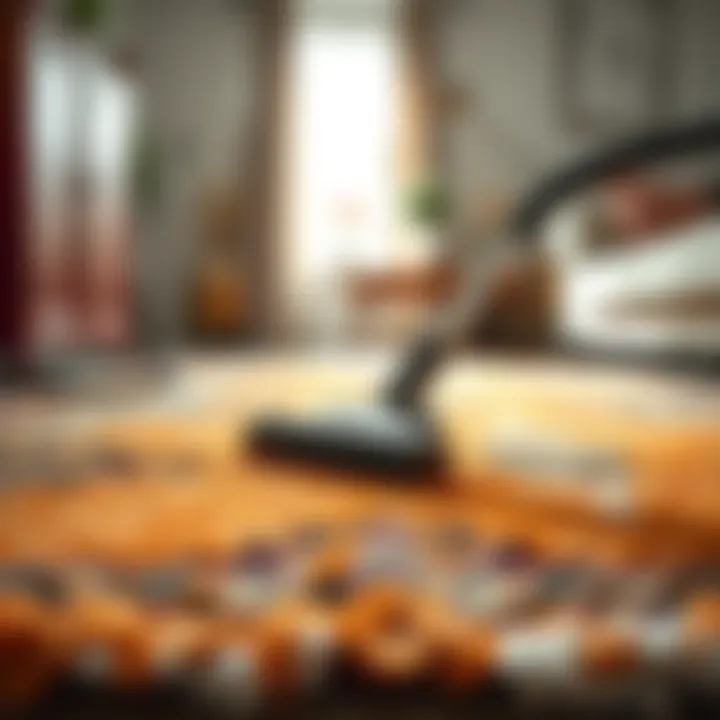
A regular vacuuming schedule is essential for maintaining the cleanliness and appearance of your rug. By incorporating vacuuming into your routine, you effectively remove dirt, dust, and debris before they settle into the fibers. The key characteristic of establishing a consistent schedule is that it prevents the buildup of allergens and enhances indoor air quality, making it particularly beneficial for households with pets or allergy sufferers. One unique feature of a regular vacuuming schedule is that it also prolongs the life of your rug. Rugs subjected to frequent wear and tear from embedded dirt may lose their vibrant colors and structural integrity more quickly than those that are properly cared for. The disadvantage, however, is the effort required to remember this routine, but setting a reminder can mitigate this hurdle.
Spot vacuuming for larger debris
Sometimes, you may find larger debris on your rug that regular vacuuming can't quite handle. Spot vacuuming becomes a crucial method here, focusing on promptly addressing visible dirt and crumbs. This specific aspect is integral to preventing larger particles from embedding themselves in the fibers. Spot vacuuming is a beneficial choice because it helps maintain a cleaner appearance in high-traffic areas, like living rooms or entryways. The unique feature of spot vacuuming is its targeted application; rather than going over the entire rug, you zoom in on areas that need immediate attention. The downside to this method might be the time it takes to ensure you’ve cleaned every spot thoroughly, but the end result—a much cleaner rug—is worth the effort.
Spot Cleaning Strategies
Removing specific stains
When a fresh spill occurs, acting quickly is paramount. Removing specific stains effectively can save your rug from permanent damage and maintain its aesthetic appeal. One important aspect of this is identifying the type of stain—whether it's organic, like grape juice, or inorganic, such as a grease stain—as the treatment method greatly varies. The key characteristic of this approach is its adaptability; it uses varying techniques based on the stain type, allowing for targeted treatment. This method is advantageous because it can often resolved issues without the need for a full cleaning, saving you time and hassle. On the downside, if optimally treated, certain stains might still leave a mark despite your best efforts, making prompt action crucial.
Materials and tools for spot cleaning
The right materials and tools can make all the difference in your spot cleaning endeavors. Items such as soft cloths, white vinegar, baking soda, or even specialized rug cleaners are essential. The key characteristic of this approach is its accessibility; many households already possess suitable materials. Moreover, using household items can be both cost-effective and efficient. An added benefit is that these materials are generally safe for most rug types, minimizing the risk of damage. However, a potential disadvantage is that not every stain can be treated with household products, and knowing when it’s time to call in professionals is vital.
Deep Cleaning Procedures
Dry cleaning methods
The dry cleaning method employs solvents that dissolve dirt and grime without using water. This technique is particularly valuable for rugs made of delicate fibers that might be damaged by moisture. The critical aspect of dry cleaning is its effectiveness in preserving color and texture, which is why it’s a popular choice among professionals. One unique feature is that it typically requires less drying time, allowing you to use your rug sooner after cleaning. However, the main disadvantage is that it can be pricey if you opt for professional services, and if done improperly at home, it could lead to unresolved residue.
Steam cleaning process
Steam cleaning utilizes high-temperature steam to penetrate rug fibers, effectively loosening dirt and leaving a sanitized surface. This method suits a wide variety of rug materials. The critical aspect is that steam cleaning not only cleans but also disinfects, which is incredibly beneficial for households with children or pets. The unique feature of this method is its ability to bring back the rug's original vibrancy, thoroughly reviving tired colors. On the downside, one must be cautious as the high level of moisture can harm certain rug types, so always test an inconspicuous area first.
Hand washing techniques
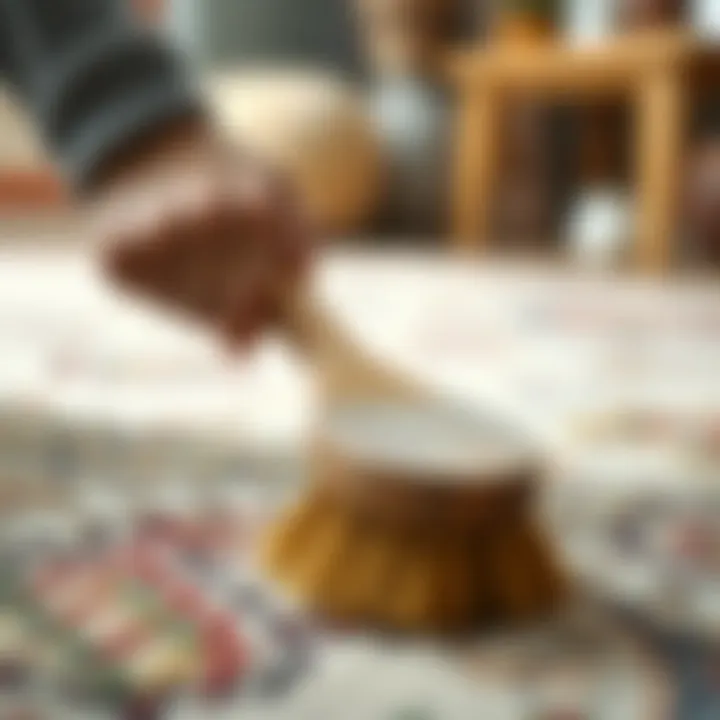
Hand washing may seem old-fashioned, but it’s a tried-and-true method that embodies a personal touch. This method involves submerging the rug in water and gently agitating it with a suitable cleaner. The critical aspect of hand washing is the control it affords you—you can adjust your method based on the rug’s sensitivity. A unique feature is that it allows for careful attention to detail, which is particularly beneficial for intricate designs or delicate fibers. However, this method can be labor-intensive and may require significant drying time, which could be a drawback for some owners.
Remember, regularly cleaning your rug and employing these various methods not only enhances its appearance but also impacts its lifespan and hygiene.
By understanding these diverse rug cleaning methods, you empower yourself to make informed decisions about the care of your prized possessions. Cleaning rugs may seem daunting, but with the right knowledge and techniques, it becomes an achievable task, ultimately leading to beautiful and lasting results.
Homemade Rug Cleaning Solutions
When it comes to maintaining the beauty and longevity of your rugs, crafting your own cleaning solutions at home can be a game changer. Homemade rug cleaning solutions are not just economical; they often use simple ingredients found right in your kitchen. This section uncovers the importance of these solutions, highlighting their benefits, considerations, and practical use in rug care.
Common Ingredients
Baking soda
Baking soda stands out as a favorite among homeowners for its versatility. It’s particularly good for eliminating odors and can even lift minor stains. One of the key characteristics of baking soda is its mild abrasive property, which allows it to clean without scratching delicate fibers. Notably, it helps absorb moisture and unpleasant smells, making it a beneficial choice for keeping rugs fresh.
However, care must be taken not to overuse it, as too much could lead to a residue build up. Overall, baking soda is a wise addition to any DIY cleaning arsenal due to its affordability and effectiveness.
White vinegar
Next up is white vinegar. This ingredient is praised for its stain-fighting ability and is widely recognized as a cleaning superstar. It acts as a natural disinfectant and can break down dirt, grime, and even sticky residues. The high acidity levels of white vinegar make it a powerful tool for cleaning, especially for food stains or pet mishaps on your rugs.
While it’s a strong cleaner, you should always dilute it with water to prevent potential damage to the fibers. The main advantage lies in its ability to neutralize odors, creating a more pleasant home environment.
Dish soap
Dish soap rounds out the list of common rug cleaning agents. This value-packed ingredient is effective for breaking down grease and grime that can often cling to fibers. The key characteristic of dish soap is its ability to create a bubbly lather, which can help lift dirt and stains when applied correctly.
A downside is that not all dish soaps are created equal. Strong fragrances or additives can sometimes leave residues or irritate certain materials. However, when used in moderation and diluted with water, dish soap works wonders for routine cleanups.
Formulating Cleaning Solutions
Mixing appropriate ratios
Knowing how to mix appropriate ratios when making homemade cleaning solutions is crucial. It’s not just about tossing ingredients together; the right balance can make a world of difference in effectiveness. For example, a popular ratio for a basic cleaning solution might be 1 part vinegar to 2 parts water, which strikes a good balance for cutting grime without being too harsh.
This practical choice ensures that you maximize the cleaning power while minimizing damage. Proper ratios also prevent any potential residue left behind, ensuring a thorough clean.
Application methods
The application methods you choose can substantially impact the results of your efforts. When it comes to applying the solution, techniques vary from spraying, which allows for an even distribution to blotting, which is ideal for treating stubborn stains. Utilizing a clean cloth for application can be more effective than using a scrubber that might compromise the rug fiber.
It’s also important to allow solutions to sit for a few minutes before wiping, giving them time to break down dirt and other debris. This step not only enhances cleaning outcomes but also ensures minimal chemical residue remains on your precious fibers.
Post-Cleaning Maintenance
Post-cleaning maintenance is crucial for the longevity and appearance of your rugs. After going through the rigors of cleaning, ensuring that your rug is properly dried and protected from future stains can substantially enhance its lifespan. Many homeowners overlook this essential phase, mistakenly believing that cleaning alone is sufficient to maintain the vibrancy and quality of their rugs. However, the truth is that a little bit of care post-cleaning can save you from major headaches and expenses down the line.


Drying Techniques
Air drying methods
Air drying methods are a natural way to remove moisture from your newly cleaned rugs. Unlike artificial drying techniques which can sometimes damage fibers due to excess heat, air drying gently allows your rug to return to its normal condition. This approach is especially beneficial for delicate materials, as it minimizes the risk of shrinkage or warping. Placing the rug in a well-ventilated area is critical. This way, you’re not only promoting an even drying process but also preventing mildew and unpleasant odors. One notable downside, however, is that air drying can take longer compared to other methods, particularly in humid environments, and you need to be patient.
Avoiding common mistakes
Avoiding common mistakes during the post-cleaning phase is vital for ensuring your rug’s durability. One frequent pitfall is neglecting to wring out excess water before drying. This may lead to mold and mildew; these uninvited guests can wreak havoc on your rug’s appearance and longevity. Another mistake is skipping the vacuuming step after a deep clean, which could leave behind residual cleaning agent. This residue might create a sticky mess or even attract dirt quicker. Realizing these errors during the drying process can save you from repeat cleaning efforts, which can be counterproductive and time-consuming.
Challenges in Rug Cleaning
Cleaning a rug can sometimes feel like trying to wrangle a slippery fish. No two rugs are alike, and the challenges one faces differ tremendously based on materials, age, and the kind of dirt or stains involved. Understanding these hurdles is key when you're wading into the waters of DIY rug cleaning.
Let’s delve into some common difficulties, their implications, and how to handle them effectively.
Tackling Set-In Stains
Identifying stubborn stains
Recognizing stubborn stains involves not just seeing a mark, but understanding its essence. Over time, some stains can settle in deeper than a tick on a dog, blending into the fabric’s fibers, and becoming resistant to standard cleaning methods. Wine spills might look innocent, but lurking beneath could be a pool of tannins waiting to wreak havoc. Knowing this helps to tailor your cleaning approach.
Being able to identify such stains contributes meaningfully to successful cleaning outcomes. You might spot a coffee ring from across the room, but does it respond to your cleaning solution? This leads to a critical reflection on your methods. Stubborn stains often demand unique strategies, and without the right know-how, you might find yourself fighting a losing battle.
Effective removal strategies
Once you've identified those resilient stains, the next crucial step involves deploying effective removal strategies. This is more than just slapping some cleaner on there and hoping for the best; it’s about understanding what works where and why. For instance, a combination of club soda and gentle blotting could work wonders on certain stains, while others may throw a fit in the face of vinegar. Each stain type has its Achilles' heel.
Utilizing varying techniques, from gentle scrubbing with a soft brush to utilizing homemade solutions based on common household items can prove advantageous. However, the downside to these methods is that they require testing and patience. One wrong move, and you might unintentionally exacerbate the stain rather than eliminate it. Finding a balance is key.
Repairing Minor Damages
Fraying edges
Fraying edges can be the bane of your rug's existence. They start as minor annoyances, but over time can develop into a larger issue, compromising the overall appearance. Identifying fraying early can save you a lot of heartache. Neglecting this task could lead to unraveling that spreads faster than gossip at a family reunion.
If caught in time, fraying can often be managed with some careful trimming or re-weaving. Thankfully, many homeowners have tackled this task without needing expert help. That said, it relies heavily on a keen eye and a steady hand. Fail to spot a fray early, however, and you risk a bigger repair job down the line.
Color restoration techniques
When it comes to color restoration, the key lies in understanding the carpet’s fibers and dyes. Sometimes your prized rug loses its luster, fading under the relentless glare of sunlight or succumbing to mishaps like a scuff from a chair leg. Color restoration can be a delicate dance between keeping the original essence of the rug intact while revitalizing its appearance.
Various methods involve natural dyes and gentle treatments that require effort but promise visually appealing results. One common strategy includes utilizing diluted fabric dye for touch-ups, although caution is essential; you might end up making a bigger mess if you're not sure what colors to mix. On the flip side, an effective restoration can give your rug a new lease on life, making it the centerpiece of your living space once more.
"A well-cared-for rug does not only provide warmth; it tells stories of the moments exchanged over time."
Culmination
Cleaning your rug independently is not merely an exercise in aesthetics, it intertwines with the well-being of your home environment and the longevity of your beloved decor piece. Regular maintenance ensures that your rug remains a welcoming focal point, free from dust, allergens, and unsightly stains that can detract from its beauty. As we've explored throughout this guide, various cleaning methods and solutions cater to different rug materials, making it imperative to choose wisely based on the specific requirements of your rug.
It's also essential to recognize the importance of preventative care. By understanding the various cleaning methods and engaging with routine maintenance, you ultimately set the stage for a more durable and visually appealing rug. DIY cleaning not only saves you money but also empowers you with knowledge about your space. In an age where we often rely on professional services, there’s great satisfaction in rolling up your sleeves and tackling a cleaning task that yields immediate and visible results.
In the end, it boils down to personal investment—both in time and effort. When you put in the work, you reap the benefits. A clean rug not only enhances your home’s aesthetic appeal but also contributes to a healthier indoor environment. Embrace the DIY approach and steadily, you’ll find that keeping your rug in top shape becomes an intuitive part of your cleaning routine.
Recap of Key Points
- Understanding Your Rug: Knowing the different materials helps in selecting the right cleaning method.
- Regular Cleaning Importance: Preventative maintenance diminishes the risks associated with allergens and dirt buildup.
- Choosing Cleaning Methods: Various techniques are available, from vacuuming to deep cleaning; each plays a distinct role.
- Creating DIY Solutions: Simple household items can often be the best allies in your rug cleaning endeavors.
- Post-Cleaning Care: Proper drying and maintenance techniques ensure the rug’s longevity and beauty.
Encouragement for DIY Cleaning
Don’t shy away from the idea of getting your hands a little dirty. The satisfaction that arises from seeing a noticeable difference is beyond compare. You hold the power to rejuvenate your space without having to tap into professional services, which can be costly. Start small—perhaps begin with spot cleaning—then gradually work your way up to more involved methods. Remember, the key here is consistency. As you form the habit of cleaning your rug, you’ll discover the right touch and techniques that work best for your unique rug type.
Be sure to embrace creativity when formulating cleaning solutions; after all, not every rug is the same. And if you happen to stumble upon a particularly stubborn stain, take it as an opportunity to refine your skills. The journey of cleaning is just as valuable as the outcome. As you empower yourself through knowledge and practical experimentation, you’ll likely discover a newfound appreciation for your rug that goes beyond its mere function within your home.