Funky Kitchen Light Fixtures: Styles and Tips
Intro
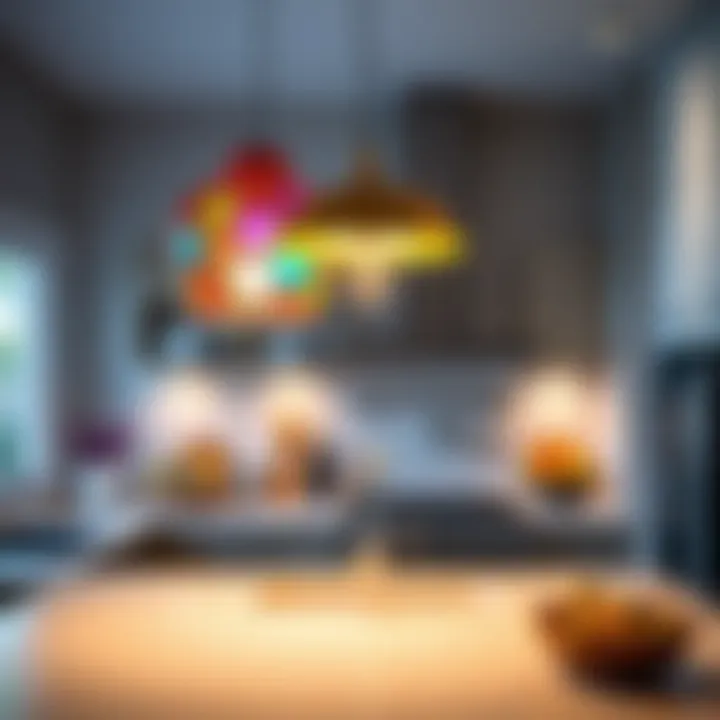
Lighting in a kitchen is not just about illuminating the space, it's about setting the mood and creating a vibe. Funky kitchen light fixtures serve as both functional tools and artistic statements. They can change the way a room feels, drawing attention and providing a dash of personality to a space that often gets overlooked.
This guide aims to explore the diverse world of funky kitchen lights, focusing on how to choose options that are visually appealing while also practical. We will delve into different styles, materials, and the impact these choices have on both aesthetics and kitchen functionality. A well-selected fixture can elevate your kitchen, making it a centerpiece of your home, whether you're cooking up a storm or entertaining friends.
Now, let’s dig into some design inspiration that can spark your creativity.
Design Inspiration
Current Trends in Interior Design
Funky light fixtures are climbing the design ladder, often becoming the focal points of modern kitchens. No longer confined to utilitarian designs, they come in a variety of shapes, sizes, and colors. Minimalistic designs featuring geometric shapes are in vogue, with designers leveraging materials like matte black metal or polished brass. Meanwhile, vintage-inspired fixtures channeling a mid-century flair can create a playful contrast against contemporary cabinetry.
The tendency toward open-concept spaces has also influenced kitchen lighting. Pendant lights hanging above an island or a dining area offer a casual yet sophisticated approach. Alternatively, cluster lighting, where multiple fixtures hang at varying heights, creates an artistic arrangement that adds depth to the room. As you curate your space, consider incorporating elements that reflect your personality and aesthetic preferences.
Color Palettes That Transform Spaces
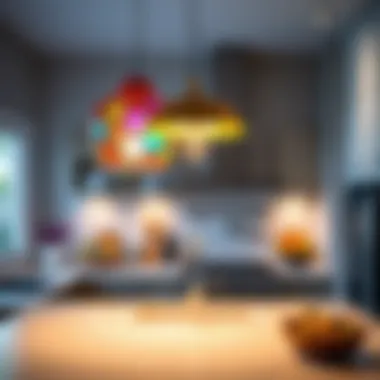
The color of your light fixtures is just as important as their shape. Bright, bold colors can inject energy into a kitchen, making it feel lively and inviting. For instance, a teal or mustard yellow fixture can serve as an eye-catching accent against neutral tones like white or gray. Conversely, muted colors such as soft pastels or earth tones can create a calming ambiance, harmonizing with natural wood tones.
Consider your overall kitchen color scheme when selecting fixtures. A good rule of thumb is to either match your fixture color with existing decor or choose contrasting colors that complement one another.
"Lighting can set the mood and atmosphere of any space. In kitchens, it's especially crucial where functionality meets design."
A well-thought-out color palette not only beautifies your kitchen but can also influence the perception of space, making it appear larger or more intimate depending on your choices.
As we continue, let’s touch upon how these design elements blend into the broader theme of entertaining in the kitchen.
The Importance of Lighting in Kitchen Design
When it comes to kitchen design, lighting often gets shuffled to the back of one’s mind, overshadowed by countertops and cabinetry. Yet, lighting plays a pivotal role in transforming a mundane kitchen into an inviting and functional space. The right fixtures do more than just illuminate; they shape the kitchen’s mood, highlight features, and support practical tasks. It’s like putting jewelry on a fine dress—the right lighting can elevate the entire ensemble.
Functional vs. Aesthetic Lighting
Functional lighting is the backbone of any well-designed kitchen. It ensures that every corner is practical for cooking, cleaning, and food preparation. Think overhead lights that sweep away shadows from your work surfaces or under-cabinet fixtures that brighten up counters. Conversely, aesthetic lighting takes the stage to showcase your kitchen’s style. Maybe it’s a funky pendant hanging over your island or a dramatic chandelier that draws the eyes. Both types of lighting serve a purpose, and striking a balance between them is crucial for creating a cozy yet efficient environment.
- Functional Lighting:
- Aesthetic Lighting:
- Bright, focused light over work areas
- Dimmable options for flexibility
- Use of LED or fluorescent bulbs for increased activity visibility
- Unique designs that reflect personality
- Color temperature that sets the mood
- Combining fixtures to enhance decor style
By blending functionality with aesthetics, you foster an experience that’s as delightful as your culinary creations.
Creating Atmosphere with Light
Light has the power to change how we perceive space, making it essential for setting the atmosphere in your kitchen. Whether you want a vibrant space for entertaining guests or a calm haven for morning coffee, the lighting choices influence emotional responses.
Imagine hosting a dinner party; the bright, harsh lights may foster a sterile vibe, while soft, warm lighting creates an intimate feel, enhancing conversations and relationships. A few key strategies include:
- Ambient Lighting: Basic illumination that fills the kitchen. Use it to establish an overall tone.
- Task Lighting: Specific beams aimed at work areas, ensuring safety and productivity. Think spotlights directed at countertops or stovetops.
- Accent Lighting: Highlighting artworks or decorative elements for added flair.
"Lighting is like a font of energy, it can invigorate or soothe depending on how you choose to use it."
Incorporating various types and layers of lighting can lead to a harmonious blend, providing not just illumination but also an ambiance that enhances daily life in the kitchen. Create a space where culinary artistry thrives and gatherings flourish, using well-placed, thoughtfully selected light fixtures.
Defining Funky Kitchen Light Fixtures
Funky kitchen light fixtures are not just about illumination; they serve as a statement piece that can transform the dynamics of the space. In a world where kitchen design is paramount to both function and aesthetic, these fixtures breathe individuality into an often-overlooked area. They encapsulate the spirit of creativity and flair, taking advantage of innovative designs and diverse materials. Understanding these funky fixtures means you're tapping into a source of inspiration that connects the practical with the whimsical, reflecting lifestyle and personality without saying a word.
Whether you're sprucing up your home for personal enjoyment or to impress guests, defining what fits into this funky category can elevate your design game to new heights. But what does it mean to be funky? It’s more than just going for the unusual. Funky fixtures often break traditional boundaries, merging styles, colors, and forms that provoke thought and evoke conversations. They are unique alternatives to the commonplace chandeliers or pendant lights that everyone is familiar with. By selecting the right funky fixture, you can create a vibrant atmosphere that inspires both function and interaction.
Characteristics of Funky Fixtures
Funky fixtures exhibit characteristics that make them stand out in any kitchen environment. One key feature is their bold use of color and form, which often strays far from the typical whites or neutral hues seen in many homes. Design elements such as unique shapes or asymmetric profiles create visual interest, drawing the eye toward the ceiling rather than just towards the countertops.
Another notable trait is versatility. Funky fixtures can seamlessly blend with various decor styles—from the rustic charm of a farmhouse kitchen to the sleek lines of a contemporary space. This adaptability allows for personal expression, accommodating a multitude of tastes and preferences. It's this capacity to marry function with artistic form that makes funky fixtures a wise consideration for anyone looking to enhance their kitchen design.
Variety of Styles Available
The world of funky kitchen light fixtures is rich with variety. Each style offers a unique twist, giving homeowners numerous options to express their preferences.
Industrial
Industrial-style fixtures often showcase raw materials like exposed metal and vintage bulbs. They embody an edgy aesthetic that resonates well in modern or urban kitchens. The unique characteristic of industrial fixtures is their ability to incorporate a sense of rugged charm. This style evokes the feeling of being in a repurposed factory, which appeals to many homeowners seeking a touch of nostalgia. However, the rougher edges of industrial designs might not suit everyone’s taste, making them more favorable in certain contexts.
Mid-Century Modern
Mid-century modern fixtures blend simplicity with function. Their key characteristic is clean lines, often paired with organic curves that offer sophistication without ostentation. They are a beneficial choice because they effortlessly complement other mid-century pieces, creating a cohesive look that’s both stylish and approachable. The use of warm woods and muted tones can make a space feel inviting. Still, their minimalist appeal can sometimes feel too stark for those who favor busier designs.
Bohemian
Bohemian fixtures, on the other hand, are vibrant and eclectic, drawing from various global influences. Their hallmark is a mix of colors and patterns that celebrate individuality. These fixtures are perfect for those who want to showcase their free-spirited side and bring a tropical vibe into their kitchen. The unique feature of bohemian designs is the abundant use of texture, often involving woven materials or macramé elements that add depth to the space. While this style can bring warmth and character, it may also face criticism for being too chaotic if not balanced with simpler design elements in the kitchen decor.
Each funky light fixture contributes to the overall ambiance in unique ways, so choose with heart and mind!
Material Considerations for Kitchen Lighting
When it comes to funky kitchen light fixtures, the materials you choose can drastically alter the look and feel of your space. Beyond just appearance, materials influence functionality and longevity. Different materials serve unique purposes—some might bring warmth, others might enhance brightness or even provide a chic, modern flair.
Understanding the materials is integral to making savvy decisions about kitchen lighting. It’s not just about picking something that looks nice; it’s also about finding something fit for purpose.
Common Materials Used
Metal
Metal fixtures, often viewed as the backbone of modern lighting, stand out for their durability and sleek aesthetics. Stainless steel, for example, is resistant to rust and can withstand the rigors of a kitchen environment. This material is often favored for its industrial vibe—think piped lighting or metallic pendants that bring a raw edge to a refined interior.
However, one should consider the potential for scratches or fingerprints, as these can detract from the sleek look over time. A brushed nickel or bronze finish may help mitigate that issue while adding a sense of warmth and character. Metal's reflective nature also maximizes light distribution, making it a strong contender in creating a well-lit space where functionality is crucial.
Glass
Glass light fixtures offer another layer of elegance and are particularly effective in contemporary settings. The translucence of glass allows light to diffuse gently, creating a pleasant ambiance. Clear glass can keep things airy, while frosted options can soften harsh lighting. One might opt for a colored glass to inject personality into their kitchen.
One downside to glass is its fragility. It can be heavy and may require additional support, particularly in larger fixtures or chandeliers. It’s essential to balance aesthetics with practical concerns, to ensure that the beauty of glass doesn’t come at the expense of safety or maintenance.
Fabric
Fabric is not the first material that comes to mind with lighting, but it plays a significant role in adding texture and warmth to the kitchen. A fabric lampshade can absorb light and create a cozy and inviting atmosphere—quite the contrary to metal or glass. Linen, cotton, or polyester can offer versatility with colors and patterns, providing a softer touch that contrasts well against harder materials in the kitchen.
However, care must be taken here, as fabrics can capture grease and dust over time. Regular cleaning is essential to maintain their appeal. Fabrics can also limit light output; thus, pairing them with higher-wattage bulbs could be a good idea to avoid a dim setting.
Sustainability in Lighting
In a world increasingly focused on sustainability, the materials chosen for kitchen lighting can contribute to eco-friendly practices. Going for recycled metals or sustainably sourced wood can make a significant impact. Not only are you doing your part for the planet, but you also send a message about your values in design. This connection between eco-conscious choices and interior aesthetics is becoming ever more vital, allowing homeowners to enjoy a stylish, unique kitchen while remaining mindful of their environmental footprint.
With the right materials, funky lighting fixtures can shine brighter—both literally and figuratively—enhancing your kitchen while catering to practical needs and sustainability.
Choosing the Right Funky Light Fixture
Selecting the right funky light fixture is not just about picking something that catches the eye. It's about understanding how this choice intertwines with both your kitchen’s aesthetic and functionality. A light fixture should contribute to the overall vibe of the room, whether you're cooking a leisurely breakfast or hosting dinner parties with friends. The wrong fixture can stick out like a sore thumb, while the right one can tie everything together.
Your kitchen is often not just a workspace; it's a social hub. As such, choosing a funky light fixture can transform the ambience, making it inviting and stylish. Think of it as the crown jewel of your kitchen; it can elevate the space from mundane to memorable. Choosing something out of the ordinary can make all the difference, especially when it complements your décor while serving a practical purpose.
Assessing Your Kitchen Space
Before diving head-first into funky fixture shopping, it’s wise to take a good look at your kitchen space. Start by evaluating the layout and dimensions. For instance, a small kitchen might feel overwhelmed by a bulky chandelier, while a larger kitchen could handle a series of pendant lights or an oversized fixture to create a striking focal point.
Key factors to consider include:
- Ceiling Height: Low ceilings might necessitate flush mount fixtures, while higher ceilings can afford larger, more dramatic options.
- Layout: Open-concept kitchens benefit from versatile lighting arrangements, while enclosed kitchens might need a single statement piece.
- Color scheme: Is your kitchen palette warm or cool? Funky fixtures can either complement or clash with the colors you have chosen, so keep this in mind.
By understanding your space, including traffic flow and where functionality is most needed, you can make a more informed decision that harmonizes with your living area.
Balancing Size and Scale
Once you’ve assessed your kitchen space, it’s time to think about size and scale. Here’s where you can get a bit creative, but you’ll want to ensure that your funky fixture feels proportional to its surroundings. A piece that’s too small may get lost in the room, whereas one that’s too big can dominate the space, creating an uncomfortable imbalance.
To achieve that sweet spot:
- Proportionality: A general rule of thumb is that the width of the fixture should be approximately one-third the width of the table or island it hangs over. This helps create a visually pleasing balance.
- Height Considerations: For fixtures over tables or islands, hang them about 30-36 inches above the surface. This ensures they provide ample light without obstructing sightlines.
- Room Cohesion: Think about how the lighting fixture connects with other elements in the kitchen. If you’ve got a bold backsplash or a statement countertop, you want your light to draw attention without completing overshadowing those features.
Balancing size and scale is crucial for making sure the fixture not only looks good but functions well within the kitchen ecosystem. Take your time and contemplate how everything plays together – that’s how you truly get the most out of your funky lighting choice.
Installation and Maintenance of Funky Fixtures
When it comes to funky kitchen light fixtures, the excitement in selecting the perfect piece can easily overshadow the equally vital aspects of installation and maintenance. Yet, these are the cornerstones that ensure your brilliant lighting remains a standout feature in your kitchen rather than a source of annoyance. Proper installation guarantees not only safety but also optimal functionality, while regular maintenance keeps the fixtures looking sharp and performing well.
Professional vs. DIY Installation
As with many home improvement projects, installation of funky light fixtures can be approached in two ways: hiring a professional or going the DIY route. Each choice has its own pros and cons that need considering.
- Professional Installation: Engaging a qualified electrician can simplify the process significantly, especially if your charming new fixture requires intricate electrical work. Professionals come equipped with the tools and expertise to handle any surprises that might crop up. The smooth integration of your funky fixture into the ceiling lighting can save you headaches in the long run. It ensures compliance with local building codes and safety regulations.
- DIY Installation: For those who favor a hands-on approach, installing the fixture yourself can be rewarding. It provides a sense of accomplishment and can save money. Many funky light fixtures come with detailed installation instructions, making it feasible for someone with basic home improvement skills. However, one must possess caution; incorrect wiring or inadequate support for heavier fixtures can lead to accidents.
If you choose to go the DIY route, make sure to turn off power at the circuit breaker and double-check the wiring connections to avoid mishaps!
Routine Maintenance Tips
Once your funky kitchen lights are up and running, it’s crucial to consider their upkeep. Regular maintenance is key for ensuring they continue to shine brightly and function effectively. Here are some essential tips:
- Cleaning: Dust and grime can quickly dull the sparkle of any funky light fixture. Use a soft, dry cloth to wipe them down regularly. For tougher spots, a slightly damp cloth followed by immediate drying can do wonders. Avoiding harsh chemicals helps preserve the fixture’s finish.
- Check Bulbs: Regularly inspect light bulbs for flickering or dimming, which may be signs that they need replacement. LED bulbs can last a long time but aren’t immune to failures.
- Inspect Wiring: At least once a year, give the wiring of the fixture a quick check. Look for any exposed wires or loose connections. If any issues arise, either consult a professional or refer to the fixture's instruction manual for troubleshooting.
- Adjust Positioning: If your fixture hangs low, it may get bumped often. Ensure it’s at an appropriate height or consider repositioning it if necessary.
Maintaining funky kitchen light fixtures is much like caring for a beloved plant; it flourishes with a little attention and the right kind of regular care. The ongoing effort helps keep your kitchen feeling both vibrant and functional.
Spotlighting Popular Funky Fixture Trends
Funky light fixtures are more than just functional necessities; they embody personality and serve as the very jewels of your kitchen. It’s important to stay on top of popular funky fixture trends because they inform your choices, ensuring that your selections resonate with both contemporary aesthetics and personal flair. These trends not only reflect current decor movements but also influence the overall ambiance of your kitchen. The right fixture can act as a striking focal point, tying together various elements of your kitchen's design while enhancing usability.
Trending Designs in Contemporary Kitchens
When it comes to kitchen lighting, we are seeing a shift toward designs that blend the old with the new. Retro styles like industrial pendant lights are making a comeback, bringing an urban edge to kitchens. Their raw materials, such as exposed bulbs and metal finishes, add a touch of rugged charm. On the flip side, more minimalist designs have started gaining traction. Clean lines, soft shapes, and scandinavian influences are in vogue, offering a breath of fresh air to the more cluttered kitchen aesthetics.
Key Trends to Watch Out For:
- Geometric Shapes: These fixtures play with forms and angles, often creating a sense of movement or intrigue in a predetermined space.
- Vintage-Inspired: Look for fixtures that reflect nostalgia—think old-school chandeliers or retro-fit sconces.
- Mixed Materials: Combining wood, metal, and glass can create a sophisticated balance that appeals to the eye.
These trending designs showcase versatility, allowing homeowners to maintain their distinct aesthetic while adopting modern conveniences.
Utilizing Bold Colors and Shapes
Ditch the neutral tones. Bold colors can breathe life into a kitchen and act as conversation starters. From vibrant yellows to deep reds, these color choices are not just statements; they’re reflections of personal style. Architects and designers are increasingly using color to evoke emotion and infuse energy into cooking spaces.
Moreover, embracing dramatic shapes enables you to assert character in a modern kitchen. Think oversized fixtures that hang low over an island, becoming part of the culinary experience. Shapes that play against each other, like round pendants paired with rectangular tables, offer visual interest and enhance dimensions of the space.
Benefits of Funky Fixture Trends
- They invite creativity into kitchen design, helping to break monotony.
- Provide distinctiveness in settings that might otherwise feel sterile.
- Foster an overall welcoming atmosphere, what’s cooking extends beyond just the food to the vibe that’s created.
"A well-placed funky fixture can turn a mundane task into a source of inspiration."
In a nutshell, funky kitchen light trends snag the spotlight not just for their appearance but also for their timeless nature, making the kitchen an enjoyable space for everyone, from the home chef to family gatherings. Incorporating these elements helps craft an experience that merges style with practical functionality.
Integrating Lighting with Kitchen Decor
In any kitchen design, the harmony between functional elements and decorative choices is crucial. Lighting can either stand out as a statement piece or blend seamlessly into the overall aesthetic. When we talk about funky kitchen light fixtures, it's not just about choosing a colorful bulb or an odd shape—it's about creating a cohesive visual story that complements other design elements. This integration is essential not only for the overall look of your space but also for the atmosphere it creates. The right light can make a space feel cozy, vibrant, or elegant, depending on how it works with the rest of the decor.
Matching Fixtures with Color Schemes
Color is one of the most powerful tools in design, and the kitchen is no exception. Funky light fixtures can become focal points that either draw the eye or provide subtle accents based on color choices. Here are some points to think about:
- Understand Your Palette: Before selecting fixtures, take stock of your current color scheme. Are you working with bold colors like red or yellow? Or are you opting for soft pastels? Matching or contrasting lighting fixtures with these color tones can either enhance or disrupt the intended feel of the kitchen.
- Metallics and Neutrals: If your kitchen is painted in bold hues, metallic fixtures in brass or copper can provide a chic complement while neutrals like white or gray assist in softening the overall design.
- Accent Color: Consider introducing an accent color to create warmth or vibrancy. For instance, if your kitchen cabinets are navy blue, a funky yellow pendant could act as a cheerful counterbalance.
"The right color can transform a space. Funky light fixtures can be that final touch of magic to uplift your kitchen's character."
Synergizing with Other Design Elements
Creating a coherent kitchen design goes beyond just color; it involves a symphony of various design elements all working together.
- Textures: When pairing funky light fixtures, consider the textures in your kitchen. A polished chrome fixture might clash with a rustic wooden table. Opt for lighting that complements the feel of your materials, be it sleek, shiny finishes or warm, organic tones.
- Shapes and Sizes: The form of your fixtures should match with the furniture and layout of the kitchen. A chunky, geometric pendant might look fantastic over a modern kitchen island but could feel out of place in a vintage-style nook.
- Theme Cohesion: Whether you're going for a retro diner vibe or a minimalistic Scandinavian look, ensure that the choice of lights, along with furniture and decor items flow with the overarching theme. It creates a narrative that pulls the eye around the room.
The integration of funky lighting not only serves a practical purpose but can also elevate the aesthetic value of your culinary space. Remember, the goal is to create a kitchen that reflects your personality while also being a functional workspace. Always keep your vision clear and allow creativity to guide your choice of fixtures.
Budgeting for Funky Lighting Solutions
When it comes to upgrading or redesigning your kitchen, funky light fixtures can breathe new life into your space. However, before diving into the myriad of styles and options available, it’s imperative to lay a solid groundwork with a clear understanding of your budget. This section delves into the financial aspects of funky lighting, highlighting how proper budgeting can optimize your purchases and enhance the overall functionality of your kitchen.
Price Ranges for Funky Fixtures
Funky light fixtures come in all shapes, sizes, and price points. Depending on the materials, design, and brand, here’s a general breakdown:
- Low-End Options: Typically under $50, you can find unique pendant lights and quirky table lamps that offer a splash of character.
- Mid-Range Fixtures: Ranging from $50 to $200, these lights often boast better craftsmanship and more distinctive designs. A colorful chandelier or a striking floor lamp can fall into this category.
- High-End Selections: If you're willing to go above $200, you’ll encounter designer options that offer high-quality materials and exclusive styles. Think of artful ceiling fixtures or statement sconces that can almost be considered art pieces.
Proper budgeting not only helps regain control over finances but can also lead to unexpected opportunities for creativity.
Cost-Effective Funky Lighting Ideas
Avoiding excess spending while flaunting funky lighting is entirely possible with a few savvy strategies. Here are some cost-effective ideas:
- Thrift Shops and Flea Markets: You'd be surprised at the hidden gems waiting in local thrift stores or flea markets. Unique lighting pieces often require a simple refurbish to shine brilliantly in a modern kitchen.
- DIY Projects: Unleash your inner creative genius. Repurposing old fixtures with still-usable bases can create a funky look at a fraction of the cost. Just consider a quick coat of paint or changing out the shade.
- Sales and Discounts: Keep an eye on seasonal sales or clearances at local home improvement stores and online retailers. Outdated styles can often be found for significantly reduced prices.
- Energy-Efficient Options: Look for LED light fixtures or bulbs that offer fashionable designs while saving on energy bills. It’s a win-win for your wallet and the environment.
In summary, budgeting for funky lighting solutions offers broader avenues to incorporate unique designs into your kitchen without overspending. Keep a close watch on prices, look out for deals, and don’t shy away from a bit of creativity. This approach not only arms you with a beautiful kitchen but also keeps your finances on track.
The Role of Technology in Modern Kitchen Lighting
In today's rapidly evolving world, technology plays a crucial role in remodeling how we think about kitchen illumination. This section discusses innovations and trends that reshape our understanding of what lighting can do in a kitchen space. As we explore smart solutions and the emphasis on energy efficiency, it's vital to acknowledge that modern lighting is no longer just about illumination; it's about creating experiences that meld seamlessly with our daily activities.
Smart Lighting Solutions
Smart lighting incorporates technology that helps control and enhance your kitchen's ambiance. Think of it as more than simply flicking a switch—imagine adjusting your lights through your smartphone with just a tap of your finger. One popular system, Philips Hue, allows you to set specific moods or change the color of your fixtures based on the time of day or occasion.
In the kitchen, this means you can brighten things up for food prep and dim the lights for a laid-back dinner ambiance. Smart systems can also include features such as voice activation, allowing you to command, "Hey Siri, turn on the kitchen lights" while your hands are full with dinner preparations.
This tech-savvy approach provides not just convenience, but versatility. You can also program schedules or sync lights with your daily routines, ensuring that your kitchen is always perfectly lit without much thought.
"Whether you're simmering a sauce or enjoying a late-night snack, smart lighting adapts to fit your lifestyle."
Energy Efficiency in Lighting Choices
Energy efficiency has taken the forefront of many design decisions, especially as environmental concerns continue to rise. Utilizing LED bulbs can dramatically reduce the energy consumption of your kitchen lighting without sacrificing brightness or quality. The Energy Star initiative encourages this trend, providing guidelines and certification for products that meet strict efficiency criteria.
Moreover, smart lighting often comes with built-in energy-saving features. For instance, automatic dimmers adjust brightness based on natural light levels, minimising electricity usage during bright hours. Sensors can turn lights off when no one is in the room, leaving zero room for waste.
In summary, the role of technology in kitchen lighting is multifaceted. It's not just about what the fixtures look like, but how they function and contribute to a sustainable lifestyle. Homeowners and design enthusiasts ought to consider these aspects closely when crafting their kitchen spaces by integrating not only stylish but smart and eco-friendly lighting options.
Finale: The Impact of Funky Kitchen Lighting
When we think of kitchens, we often focus on cabinetry, countertops, and appliances. Yet, lighting can unequivocally make or break a space. Funky kitchen lighting goes beyond mere function; it serves as a form of art that influences both the practical aspects and the overall atmosphere of the room. This conclusion will touch on the multifaceted role funky light fixtures play in elevating kitchen designs and enhancing user experience, making it a valid topic of discussion in any home improvement dialogue.
In this guide, we’ve explored how vibrant and unconventional light fixtures do not just illuminate but also define a kitchen's personality. The unique shapes, colors, and materials often found in funky lighting create a focal point that draws the eye. Such fixtures can transform your kitchen from a simple cooking area into a lively hub of creativity and communication, resonating with the people who inhabit the space.
Considerations on Design and Functionality
- Design: Choosing the right funky fixture can resonate with the overall decor, enhancing themes like industrial, mid-century, or bohemian styles.
- Functionality: Proper lighting ensures safety and efficiency while cooking, hence balancing style with practicality remains central.
Moreover, integrating funky lighting can reflect one's personality. Homeowners now often view their kitchens through the lens of self-expression, where every detail matters. Installing unique light fixtures can create inviting environments for gatherings, bringing warmth and character that traditional light sources typically lack.
"A well-lit kitchen is not just about visibility; it's about the mood and life it brings to daily routines."
Final Thoughts on Design and Functionality
The relationship between design and functionality arises from the choice of fixtures and their placement. Funky lights, when harmonized with other elements, can elevate mundane tasks into enjoyable experiences. Consider the interplay between natural light and your fixtures; sometimes, the goal is not to drown the room in light but to create layers. This idea can especially be seen in kitchens that transition from day to night use.
For instance, pairing pendant lights over an island with dimmable recessed lighting caters to both daytime meal prepping and evening entertaining seamlessly. Therefore, homeowners should contemplate how their funky lighting selections interact dynamically within their unique kitchen spaces.
Inspiration for Your Next Kitchen Project
When designing your kitchen, consider funky light fixtures as essential components rather than embellishments. This approach can inspire fresh ideas, aiming for more than a mere aesthetic benefit. Look into spaces that utilize bold colors or unusual shapes to spark creativity.
- Visit Local Design Stores: Explore showrooms to see fixtures up-close. This can provide insight into scale and style.
- Online Platforms: Websites like Pinterest or Houzz can showcase a myriad of kitchen designs featuring unique lights.
- Seek Inspiration Around You: Keep an eye on public spaces and restaurants where unusual lighting steals the show.
Integrating funky lighting doesn't just enhance the visual appeal of your kitchen. It encourages a warmer, more inviting atmosphere, perfect for memories and culinary adventures alike. Looking ahead, the knowledge from this guide can kickstart your own journey towards designing a kitchen that is as lively as it is functional.