Lavender Plants in Pots: Care, Varieties, and Benefits
Intro
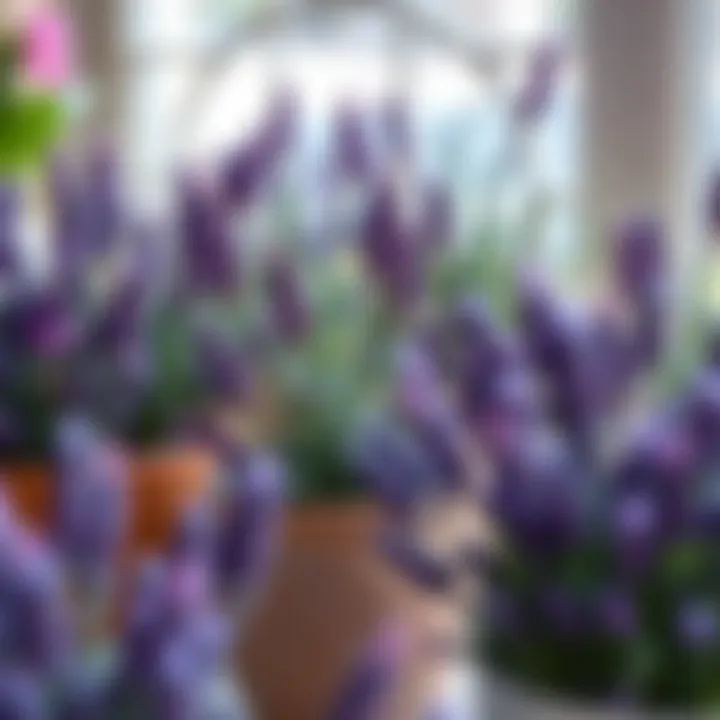
Lavender plants are more than just a visual delight; they bring an inviting aroma and myriad benefits, making them a favorite for both new and seasoned gardeners. Growing these charming blooms in pots can add a touch of elegance and color to any environment, whether it's your quaint balcony or a spacious garden. Pot cultivation not only offers flexibility but also allows you to control growing conditions, creating an ideal environment for these resilient plants.
In this guide, we will explore the ins and outs of purchasing and caring for potted lavender plants. We'll take you through the various types available, offer tips on optimal care practices, and discuss the many advantages of pot cultivation. You'll gain insight into how to select the right sources for your plants, ensuring your lavender thrives and enhances your indoor and outdoor spaces.
So, whether you’re a homeowner looking to spruce up your living area or a gardening enthusiast excited to expand your plant collection, this guide aims to equip you with the tools and knowledge needed to successfully integrate lavender into your décor.
Preamble to Lavender Plants
Lavender plants are not just delightful pieces of greenery; they serve practical purposes that resonate deeply with gardeners and home decor enthusiasts alike. This aromatic herb, with its stunning purple blooms and unique fragrance, has captivated people for centuries. The growth of lavender in pots presents an ideal approach for those who want to manage space and add a touch of elegance to their indoor or outdoor atmosphere.
One of the key benefits of lavender is its versatility. Unlike traditional garden setups, pot cultivation allows for a more flexible approach. Homeowners can position lavender pots in sunlit areas of the patio or on a windowsill, making the most out of limited spaces. Plus, cultivating lavender in pots means easier access for care and maintenance. By understanding the nuances of lavender plants, individuals can optimize their gardening experience and enrich their living spaces.
Characteristics of Lavender
Lavender is part of the Lamiaceae family, a group known for its fragrant herbs. This plant typically thrives in dry, well-draining soil and sunny environments. The characteristics of lavender include:
- Shape and Size: Depending on the variety, lavender can range from compact bushes to taller, more sprawling forms. The English lavender, for instance, commonly grows about 1 to 3 feet tall, while Spanish lavender may reach up to 2 feet.
- Visual Appeal: Renowned for its vibrant purple flowers, lavender’s visual allure is a significant reason why many choose to grow it in pots. Its blooms attract bees and butterflies, promoting biodiversity, which can be a highlight for any garden.
- Fragrance: Perhaps the most notable characteristic is its smell. The essential oil extracted from lavender is known for its relaxing properties, making it a beneficial herb in aromatherapy and wellness practices.
The combination of these characteristics makes lavender not only a lovely plant to have, but it also serves as a conversation starter.
Culinary and Aromatic Uses
Lavender is often thought of solely as a decorative plant, but its culinary and aromatic uses are equally noteworthy. In the kitchen, culinary lavender can elevate a dish's flavor profile, adding a unique twist to both sweet and savory recipes. For instance, lavender-infused sugar can be sprinkled over desserts, giving them a floral fragrance that is hard to resist. Additionally, lavender pairs well with ingredients like lemon, honey, and rosemary, creating unexpected and delightful results in various dishes.
In terms of aromatic uses, lavender is a staple in both traditional and modern medicine. The dried flowers are often used in sachets to scent linens or clothing. Here’s a quick list of common aromatic uses for lavender:
- Making soothing sachets for storage or closets
- Incorporating into potpourri for an inviting home scent
- Creating essential oil blends for relaxation and stress relief
Lavender's multi-faceted uses make it a truly invaluable plant, not merely for aesthetics but for practical applications in daily life.
Benefits of Growing Lavender in Pots
Growing lavender in pots has its own charm and practicality. Navigating through the joys of bringing this aromatic wonder to your home is not just about aesthetics; it’s a smart choice for various reasons. As you might already know, lavender not only thrives in versatile environments, but it also embodies several benefits that make it a favorable option for home gardeners. Let’s dissect those benefits together.
Space Efficiency
One of the standout advantages of potting lavender is space efficiency. Unlike traditional garden beds that can sometimes feel like a real estate gamble, pots can fit snugly in tight corners or on a balcony. This characteristic is especially precious for those living in urban environments where garden space is limited. Think of pots as a new canvas for your gardening dreams; they allow for creativity without the constraints of soil or land scarcity. A single trough or a collection of varied heights can easily transform a small patio into a lively green oasis.
Not to mention, if you’re worried about sunlight and climate, potted lavender can be shifted around to capture optimal sunlight, making your gardening efforts more fruitful. This versatility means you can experiment with different settings in your home or patio, allowing you to adapt quickly to changing seasonal conditions.
Mobility and Adaptability
Another mark in favor of lavender in pots is its mobility. Picture this: you plant lavender in a charming ceramic pot and place it in your living room. As warmer weather rolls in, you can effortlessly relocate it outside for some sunlight while keeping your interior fresh. The idea of being able to move your plants to different locations based on your mood or needs is quite liberating.
Moreover, lavender adapts well to various climates when planted in pots. If you live in an area with fluctuating temperatures, potting your lavender provides an extra layer of protection against too much moisture or severe cold. When there's a risk of frost, you can simply bring your pots inside—to a real-life castle that’s always warm.
Enhanced Aesthetic Appeal
Let’s not sidestep the fact that lavender adds a sophisticated touch to any setting. Its radiant purple blooms and fresh foliage serve not only to please the nose but the eyes as well. When presented in decorative pots, lavender can elevate your home decor to an upscale experience effortlessly.
Additionally, the scents released from lavender can create an inviting atmosphere in any room. Placing a pot on a dining table or in an entryway welcomes guests with gentle aromas, elevating even the simplest gatherings.
Different pot designs—from rustic terracotta to sleek modern ceramics—can be chosen to correspond with your interior style. Here are some design ideas to consider:
- Minimalist: Choose monochrome pots to keep the focus on the vibrant lavender.
- Rustic: Weathered wood or metal containers can complement vintage furniture styles.
- Colorful: Bright and bold pots can enhance summer vibes when floral bursts are needed.
"Bringing lavender into your home can create a sanctuary of scent and color, refreshing your space in ways you didn’t anticipate."
In summary, growing lavender in pots not only provides logistical and practical advantages but also enhances the aesthetic qualities of your environment. With careful placement and consideration of your personal space, lavender can flourish, bringing a touch of elegance and a bounty of fresh scents into your everyday life. So let's get growing, shall we?
Varieties of Lavender Suitable for Pots
When considering the cultivation of lavender in pots, the variety you choose plays a pivotal role in determining your success and satisfaction. Each lavender type has its own characteristics, growth habits, and suitability for container gardening. Selecting the right one can mean the difference between a flourishing centerpiece or a lackluster plant that barely survives. In essence, knowing the various options available enhances not just your gardening experience but also ensures that the specific needs of your space are met. Let's dive into the popular varieties that are particularly well-suited for pots.
English Lavender
English Lavender, or Lavandula angustifolia, is the classic choice for many gardeners. Renowned for its sweet scent and beautiful purple blooms, this variety typically grows to about 2 feet tall. It's known for its hardiness, making it a reliable option for potted cultivation. One factor that sets English Lavender apart is its ability to thrive in a variety of soil conditions, provided it’s well-draining.
- Benefits: English Lavender produces spikes of flowers that are not only delightful to the eye but also highly aromatic. These flowers are often harvested for culinary purposes, as their flavor has a delicate floral note.
- Considerations: If planted in pots, ensure they receive at least six hours of sunlight per day. Too much shade can lead to leggy growth and diminished flowering.
French Lavender
French Lavender, identified as Lavandula dentata, presents a different aesthetic and fragrance profile compared to its English counterpart. Featuring soft, serrated leaves and distinctive flower spikes with peculiar tufted tops, French Lavender typically prefers a slightly warmer climate. It’s more tender than English Lavender but can thrive beautifully in warmer climates or protected environments.
- Benefits: French Lavender has a longer blooming period than many other types, often showing off its flowers from spring into early fall. It's also noted for its unique fragrance, often described as herbaceous with hints of mint.
- Considerations: While it can be grown in pots, it does prefer a somewhat more humid environment and may need regular misting to keep its foliage healthy. Adequate drainage is essential, so pots should feature well-placed drainage holes to avoid waterlogging, which can harm the roots.
Spanish Lavender
Spanish Lavender, scientifically classified as Lavandula stoechas, stands out with its unique flower shape and vibrant colors. This variety tends to be smaller, usually reaching only about a foot in height and featuring distinct bracts that resemble little crowns atop the flowers.
- Benefits: The scent of Spanish Lavender is less sweet and more resinous, which some people find particularly appealing. It's also resistant to drought, ideal for those who may forget to water occasionally.
- Considerations: This type of lavender performs best in hot, dry conditions and requires less soil compared to its English and French cousins. While many find this plant ornamental, it is less favored for culinary use. For potting, placing it in a location that receives full sun will ensure the best growth and flowering.
The right variety of lavender can elevate your gardening experience, providing both beauty and useful applications in your home and kitchen.
Each of these lavender types can contribute to a stunning visual display and add practicality to your home or garden. Consider your climate, care preferences, and intended use to make the best selection. With the variety in mind, you can move towards implementing effective growing practices that cater to their individual needs.
Selecting the Right Pot for Lavender
Choosing the right pot for your lavender plants is not just about aesthetics; it’s about creating an ideal environment for these lovely herbs to thrive. When you slip a lavender plant into a pot, you’re essentially giving it a second home, one that needs to efficiently cater to its needs. The right pot can ensure proper drainage, sufficient space, and can foster the best growth possible, marrying form with function.
Pot Size Considerations
The size of the pot plays a massive role in the development of lavender plants. Too small, and the roots will become crowded, leading to root rot and stunted growth. Too large, and you'll risk overwatering since a larger volume of soil retains more moisture. A sweet spot is generally around 12 to 14 inches in diameter for most lavender varieties.
- Root Growth: Lavender has a deep root system. It’s essential to allow enough room for roots to spread out.
- Air Circulation: Potted lavender needs good air circulation. A pot that’s too big can hold more moisture than needed, causing root issues.
- Aesthetic Appeal: Larger pots can often display more foliage and blooms, adding to the visual splendor of your space.
A good starting point is to consider the current size of the plant; a pot two inches wider in diameter than the current one usually works best for initial repotting.
Material Choices
The choice of pot material also weighs heavily on plant health and maintenance. Each material comes with pros and cons, influencing the moisture retention and temperature regulation of the soil.
- Terra-Cotta: This option is porous, allowing air and moisture to permeate. It’s great for preventing overwatering, but during hot months it may dry out too quickly. Perfect if you’re vigilant with your watering schedule.
- Ceramic: Often glazed, these pots are more decorative. They can retain moisture better than terra-cotta but can also lead to root rot if drainage isn’t up to snuff.
- Plastic: Lightweight and durable, plastic pots are easy to move around. They keep moisture in but can sometimes lack the aesthetics of terra-cotta or ceramic.
- Metal: While they may add a chic touch to your decor, metal pots can heat up quickly, risking overheating the roots. Always consider insulation.
Among all these, terra-cotta remains a favored choice among lavender growers, combining functionality with a classic look.
"When it comes to potting lavender, remember, the right pot is not just about holding soil, it’s about nurturing a healthy plant."
Choosing the right pot can set your lavender up for success. Consider size and material wisely, and watch those vibrant blooms flourish in your space.
Essential Care Practices for Potted Lavender
Caring for lavender plants, especially when they reside in pots, can make all the difference between a vibrant herb that flourishes and a wilting flower that struggles to survive. Lavender is known for its aromatic and visual appeal, but it requires a mindful approach to stay healthy in a confined space. This section dives deep into the essential care practices that ensure your potted lavender not only survives but thrives.
Soil Requirements

The foundation of healthy lavender lies in its soil. A well-draining soil mix is crucial. Lavender, being a Mediterranean plant, does not appreciate sitting in moisture. A good rule of thumb is to use a blend that features sandy or gritty components to facilitate drainage.
Consider mixing potting soil with perlite or coarse sand in a ratio of about 2:1. This not only aids drainage but also mimics the arid conditions lavender loves. It’s important that the soil maintains a slightly alkaline nature; a pH between 6.5 to 7.5 is ideal. Some gardeners might test their soil with inexpensive pH strips available at garden centers to ensure it's within the right range.
Key Points for Soil:
- Drainage: Incorporate coarse materials for adequate drainage.
- Alkaline: Aim for a slightly alkaline soil composition.
- Aeration: Ensure the soil allows for good air flow to root systems.
Watering Techniques
Watering can often be the trickiest part of growing lavender in pots. It's a balancing act—overwatering can lead to root rot, while underwatering can stress the plant.
A smart approach is to water only when the soil is dry to the touch. Instead of setting a schedule, check soil moisture with your fingers. When watering, do so thoroughly, allowing water to drain out of the bottom holes of your pot. The golden rule is to water deeply but infrequently to encourage the roots to grow deep into the soil for moisture.
If you're dealing with extreme temperatures, you might have to tweak your watering schedule. On particularly hot days, you might notice the soil drying faster. Conversely, in cooler seasons, reduce the watering frequency.
Tips for Effective Watering:
- Frequency: Check soil moisture before watering.
- Method: Water deeply and allow drainage.
- Adjust: Adapt to seasonal temperature changes.
Pruning and Maintenance
Regular pruning is an integral part of maintaining the health and appearance of your lavender plants. It might seem counter intuitive, but cutting back lavender promotes bushier growth and a more abundant blooming period. After the flowering season, usually in late summer, snip off spent blooms and about one-third of the stem length. This encourages new growth and helps maintain a tidy shape.
Additionally, check for any dead or woody stems during your pruning routine. Removing these not only helps prevent diseases but also allows for better air circulation within the plant.
Furthermore, consider fertilizing during the growth phase with a low-nitrogen fertilizer to encourage flowering without excessive leaf growth, which can make the plants leggy and unattractive.
Pruning Guidelines:
- Timing: Perform pruning in late summer after flowering.
- Technique: Remove spent blooms and woody stems completely.
- Fertilization: Use low-nitrogen fertilizers to encourage growth.
"Healthy lavender is a reflection of careful attention and thoughtful maintenance—a true partnership between gardener and plant."
By establishing these essential practices—ensuring proper soil, adopting effective watering techniques, and engaging in regular maintenance—you set the stage for flourishing lavender plants that can brighten your indoor or outdoor spaces. With the right care, potted lavender can truly become a star in your gardening repertoire.
Challenges of Growing Lavender in Pots
Cultivating lavender in pots may seem idyllic, yet it isn't without its hurdles. It's vital to address these challenges to ensure successful growth and health of the plants. This section dives into common issues, such as pest management and temperature sensitivity, that can impact your lavender when grown in a confined space.
Pest Management
Pests can be the thorn in the side for any gardener, and lavender is no exception. While lavender is generally resilient, a few persistent bugs can wreak havoc if left unchecked. Common culprits include aphids, spider mites, and whiteflies. Their small size might make them easy to overlook, but the damage they inflict can be substantial.
It's crucial to routinely inspect your plants. A close look at the undersides of leaves can often reveal early signs of infestation. One effective method to manage pests is through natural solutions. For instance, a simple mix of water and a few drops of dish soap can create a spray that suffocates many small pests. Additionally, introducing beneficial insects, like ladybugs, can also help control these pesky intruders.
- Regular Inspection: Make it a habit to check your lavender plants weekly.
- Beneficial Insects: Consider introducing ladybugs to your lavender pots, as they naturally feed on aphids.
- Natural Insecticidal Soap: This can be used as a preventive and treatment measure against pests.
Ignoring these issues can lead to a cascade of problems that might hinder the overall growth and flowering of your lavender plants. Therefore, diligent pest management is essential for maintaining the health and beauty of lavenders in pots.
Temperature Sensitivity
Temperature fluctuations can be particularly harsh for potted lavender, making it essential to monitor and adapt to changing conditions. Unlike lavender grown in the ground, potted varieties are more susceptible to extreme temperatures due to their limited soil mass, which offers less thermal regulation. This can lead to root stress and stunted growth.
Lavender thrives in well-drained, sunny conditions and typically favors temperatures between 65°F to 75°F. However, improper exposure can lead to problems such as wilting, discoloration, and, in severe cases, plant death. Cold winters pose another challenge altogether, as pots can freeze more readily than ground-planted specimens.
To combat temperature sensitivity, consider these strategies:
- Choose the Right Spot: Position your lavender pots in areas that receive plenty of sunlight yet are shielded from harsh winds.
- Insulation Options: In colder months, wrapping pots in burlap or moving them closer to walls can provide additional warmth.
- Monitor Conditions: Use a thermometer to track the temperature around your lavender, helping you catch sudden drops or spikes early.
Maintaining awareness of temperature changes is key. Lavender that feels comfortable is lavender that will thrive.
By being proactive about these challenges, you can greatly enhance the potential for beautiful, fragrant lavender plants. Taking such measures ensures your efforts yield the vibrant blooms and aroma you desire, regardless of the pots your lavender calls home.
Where to Purchase Lavender Plants in Pots
Finding the right place to purchase lavender plants in pots is a key step toward success in your gardening endeavor. The joy of bringing lavender into your space can be shadowed if you choose subpar sources. Equally, knowing the best places to buy such plants can enhance your experience, ensuring you get healthy, vibrant specimens. A proper introduction to this topic will help the home growers, interior design fans, party hosts, and gardening devotees make informed decisions that can lead to thriving lavender plants.
Local Nurseries vs. Online Retailers
When diving into the world of lavender purchasing, you’ll find yourself at a crossroads between buying from local nurseries and online retailers. Each option comes with its pros and cons.
Buying from local nurseries often allows you to see the plants in person before making a choice. It gives you a chance to inspect for health signs: vibrant leaves, robust branches, and an overall snug fit within their pots. Moreover, local experts can offer insider knowledge. They know their local climate and conditions, which can be quite helpful in guiding you toward the best lavender varieties for your area. Another significant advantage is that you support your community’s economy—you can call it a win-win.
On the flip side, online retailers present the comfort of shopping in your pajamas, with a broader selection at your fingertips. Many reputable websites offer delivery straight to your doorstep. However, this convenience comes with a risk: the plants may not arrive in optimum health. You can't see the plant before its arrival; it could be damaged during shipping or not match the description.
To sum up, if you want a personal touch and local support, choose a nursery. For convenience and variety, stick with online shops.
Considerations for Quality and Source
When sourcing lavender, quality should always be at the forefront of your mind. Not all plants are created equal, and where you buy from can make a massive difference. Here are a few factors to consider:
- Reputation: Research the nursery or online retailer. Check customer reviews and ratings. Websites like Reddit can provide insights from fellow gardening enthusiasts about their experiences.
- Plant Condition: If choosing a local nursery, ensure that plants are well-cared for. Look for those kept in optimal sunlight and watered appropriately. If you go the online route, opt for retailers that guarantee healthy plants upon arrival.
- Variety Knowledge: Not all lavender is suited for every climate. A good source will be familiar with which varieties thrive in your area.
- Local Adaptations: Select vendors who grow their plants regionally. Plants adapted to the local climate have a higher chance of thriving post-planting.
Purchasing lavender plants in pots is more than a mere transaction; it is an investment in your home’s aesthetic and aromatic appeal. By knowing where to look and what to consider, you can avoid many pitfalls and choose wisely.
Integrating Lavender into Home Decor
Integrating lavender into home decor is more than just a trend; it's about creating an ambiance filled with serenity and charm. The lush hues of lavender, combined with its calming scent, serve to elevate both indoor and outdoor spaces. This section delves into the practicalities and aesthetics of using lavender plants in pots within various decor styles, ensuring every homeowner, gardening enthusiast, or party host can appreciate its unique contributions.
Interior Design Applications
In the realm of interior design, lavender plants can play a subtle yet powerful role. Placing lavender pots in different areas of your home can totally transform the atmosphere. Here are a few ideas to consider:
- Living Rooms: A couple of potted lavender plants on a coffee table or side table can introduce a pleasing focal point, capturing attention without overwhelming the senses. The soft purple of the blooms adds a touch of color, especially against neutral walls.
- Kitchens: Lavender, known for its culinary uses, can be a clever addition to kitchen countertops. Not only does it enhance the space aesthetically, but it also provides fresh herbs for cooking.
- Bedrooms: Imagine a nightstand adorned with miniature lavender pots; the scent can nurture better sleep and facilitate relaxation, an appealing notion for a personal sanctuary.
- Home Offices: Potted lavender can invigorate a workspace, promoting a serene yet productive environment. Many people find that the natural fragrance helps boost focus, giving the olfactory senses a refreshing jolt.
Outdoor Spaces and Gardens
When it comes to outdoor spaces, lavender shines as both a decorative and functional element. Here’s how to integrate it:
- Patios and Balconies: Dwarf lavender varieties are well-suited for small spaces. Lining railings with pots of lavender can create a fragrant barrier while adding visual interest to your outdoor area.
- Garden Borders: Lavender can act as a natural border plant, providing a vibrant edge around flower beds or walkways. This not only softens the landscape but also attracts pollinators, which is a boon for any garden.
- Event Decoration: If you're hosting an event, utilizing potted lavender as centerpieces brings subtle elegance. They can be arranged on tables or used to line walkways, creating a lasting impression without much fuss.
"Lavender isn't just a plant; it's an experience, a memory. Integrating it into your decor creates a lasting environment that’s always inviting."
Through the thoughtful integration of lavender into various aspects of home decor, there's no doubt that it brings both beauty and tranquility to any space. The versatility of this plant makes it a must-have for anyone looking to enrich their surroundings.
Closure: Embracing Lavender in Pots
Growing lavender in pots is not just a pastime for green thumbs; it’s a warming invitation to experience nature's tranquility right at home. The aromatic charm of lavender enhances both indoor and outdoor spaces, making it a favored choice among homeowners and decorating enthusiasts alike. When exploring the delightful world of potted lavender, it's essential to appreciate the full scope of its potential and understand how best to cultivate and integrate it into your life.
Recap of Key Points
Let’s take a moment to summarize the central themes from our exploration:
- Varieties and Selection: We discussed various lavender types suitable for pots, including English, French, and Spanish lavender, each with distinct characteristics and fragrance profiles.
- Potting Considerations: Selecting the right pot size and material is pivotal. A well-draining container allows roots to breathe, while material choice can affect moisture retention and temperature stability.
- Essential Care Practices: Mindful watering, appropriate soil, and thoughtful pruning techniques can help your lavender thrive, ensuring lush blooms and a pleasing aroma.
- Challenges: Every gardener faces obstacles, be it pest management or temperature variations. Knowing these challenges in advance enables you to preemptively mitigate issues.
- Aesthetic Integration: From transforming a cozy nook with lavender on a windowsill to creating a calming atmosphere in your garden, the plant serves both practical and beautifying purposes.
Future Trends in Lavender Cultivation
Looking ahead, the cultivation of lavender continues to evolve. As awareness of its benefits grows, so too does the diversity of its application. Here are some emerging trends we might see:
- Sustainable Practices: With increasing emphasis on environmental sustainability, organic gardening, and pesticide-free cultivation methods will likely see a rise, encouraging a stronger connection to nature.
- Vertical Gardening: Urban homeowners are increasingly taking to vertical gardening to save space. Lavender’s adaptability makes it an excellent candidate for living walls or stacked planters, enhancing both fragrance and visual appeal.
- Perfume and Artisan Products: The interest in homemade and artisan products is flourishing. As lavender is known for its therapeutic properties, there will be a growing trend in lavender-infused goods, from oils to scented candles.
- Health Benefits Awareness: As people become more aware of lavender's calming effects, its popularity in wellness practices, like aromatherapy and relaxation techniques, is likely to expand.
In the grand tapestry of home gardening, lavender holds a significant spot, both for its beauty and bounty. Embracing the cultivation of these aromatic plants in pots not only enriches outdoor spaces but nurtures a peaceful environment, uniting our living spaces with the fragrant essence of nature.