
Effective Methods to Remove Coffee Stains from Upholstery

Intro
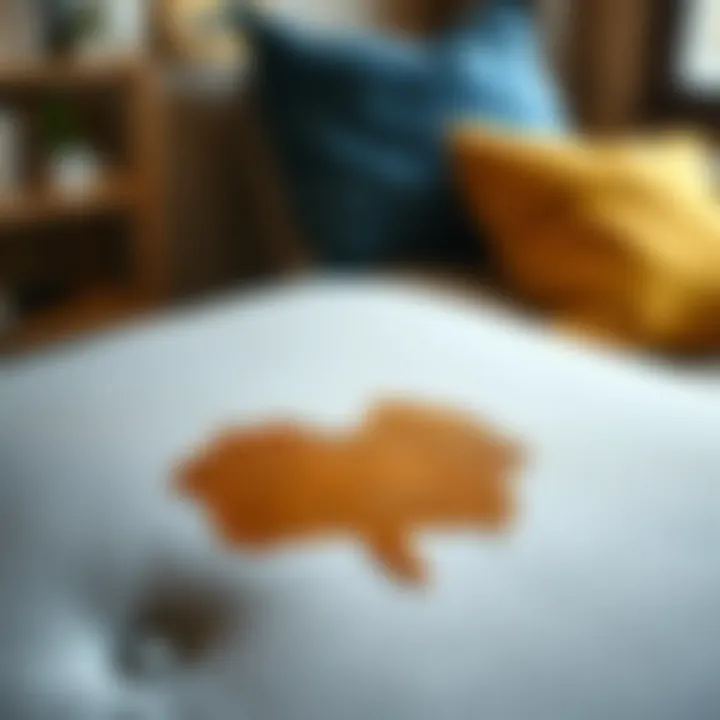
Coffee is more than just a morning ritual for many people; it’s a passion, a lifestyle, and for some, a bit of a mess waiting to happen. Spills can hover over upholstery like a dark cloud, threatening the beauty of your cherished furniture. Removing coffee stains does not hold a universal solution, and knowing the right methods can save your upholstery and perhaps your sanity, too. This guide walks through effective strategies to tackle coffee stains, covering quick cleanups and more comprehensive techniques while considering various upholstery materials. Whether you're a homeowner reveling in your decorative choices or a party host trying to maintain a pristine environment, understanding these cleaning methods is essential.
Moving forward, we'll explore the roots of coffee stains and why acting fast can turn a potential disaster into a minor inconvenience. We'll break down the various approaches you can take, and I'll also touch on how you can keep those pesky stains at bay in the future. So grab your cleaning kit and let's start removing those coffee stains the right way!
Design Inspiration
Understanding Upholstery Materials
Before diving into cleaning methods, it’s crucial to know your upholstery type. Each fabric reacts differently to stains and cleaning agents. For instance, cotton may handle water-based solutions well, while leather needs a gentle touch.
- Cotton: Durable and often washable, great for everyday use.
- Leather: Luxurious but requires specialized cleaners to avoid damage.
- Microfiber: Stain-resistant but can retain odors.
- Velvet: Beautiful, though tricky; must be handled delicately to avoid water stains.
With a little knowledge, you can approach cleaning with more confidence.
Importance of Timely Intervention
When accidents strike, the first instinct might be to panic. However, the clock begins ticking, and acting swiftly can make a world of difference. Coffee, a stained foe, comes from tannins which can quickly set into upholstery fibers. Here’s why a rapid response is a game-changer:
"The longer a stain sits, the more it bonds with the fabric, turning a light cleaning into a possible replacement of the entire section of sofa."
Removing the coffee as soon as possible means a less harmful stain, and often a simpler method can suffice. Think of it as a race against time where you want to be both quick and thoughtful to preserve your upholstery.
Techniques for Removing Coffee Stains
Quick Clean-Up Hacks
- Blot, Don’t Rub: Use a soft cloth or paper towels to dab at the stain. Start from the outside and work inwards to prevent spreading.
- Cold Water Rinse: Rinsing the fabric with cold water can provide immediate relief to the fibers. Avoid hot water, as it can set the stain.
- Dish Soap Solution: Mix a few drops of dish soap with water and apply it gently to the stain. Blot it afterwards until the stain lifts, making sure to rinse thoroughly.
Deeper Cleaning Techniques
After applying quick fixes, some stains might need a more thorough approach:
- Vinegar and Water: A mixture of equal parts vinegar and water can work wonders. Apply it, allow it to sit, and then blot it dry.
- Fabric Cleaner: For tough stains, a commercial upholstery cleaner specific to the fabric type is a worthy investment. Make sure to follow the manufacturer’s guidelines.
- Professional Help: Sometimes it might be best to consult experts who will possess the right tools for cleaning delicate or heavily stained upholstery.
Preventative Measures
To ward off future stains, consider these strategies:
- Stain Treatments: A fabric protector can help create a barrier against spills, meaning coffee won’t have the chance to penetrate.
- Regular Maintenance: Regularly vacuuming and cleaning upholstery reduces the chance of stains setting in, preserving fabric quality.
- Positioning: Be mindful of where you place coffee cups; using coasters can save you a lot of grief down the line.
By taking preemptive actions, you can enjoy your coffee experience without worrying about it leaving a mark on your beloved furniture.
Understanding Coffee Stains
Removing coffee stains from upholstery isn’t just about keeping furniture looking good. It’s about understanding the nature of the stains to address them efficiently. When you pour that fresh cup of coffee and it accidentally spills, the real challenge begins. Coffee isn't merely a beverage; it’s a complex mix of compounds that can bind to various fibers found in upholstery. This section will unpack key elements regarding coffee stains, including the overall composition of coffee, the chemical properties of the stains formed, and the inherent factors that contribute to stain formation.
Composition of Coffee
To grasp how to tackle coffee stains, it’s essential to realize what you're up against. Coffee contains multiple components, including caffeine, oils, and various acids. Have you ever noticed that some coffees are more prone to staining than others? That's because darker roasts often contain more oils and pigments. Furthermore, coffee has natural sugars - both in granular and liquid forms - which makes it stickier than you might anticipate. If you spill coffee on fabric, these compounds are quick to seep into the upholstery fibers, forming an ever-present challenge for any cleaning effort. The more complex the coffee's composition, the harder it may be to remove the stain completely.
Chemical Properties of Stains
Understanding the chemical properties of coffee stains is akin to knowing how to read a road map. Once those liquids infiltrate your upholstery, they undergo certain changes. The acids in coffee can alter fibers, causing them to weaken over time, while the natural oils can create a greasy residue that invites dirt and grime.
It’s not just about the color mark left behind; it’s about what’s happening to the upholstery itself. If left untreated, these stains can lead to more significant issues, such as permanent discoloration. Moreover, heat can set coffee stains, making the initial cleanup more critical than you might think. If you heed this knowledge, it can literally save your fabric from irreparable damage.
Factors Affecting Stain Formation
Several factors influence how a coffee stain develops and embeds itself into upholstery. The fabric's texture plays a crucial role. For instance, loose weaves may allow more penetration, while tighter weaves can repel some liquids. Additionally, the temperature of your coffee can greatly affect the staining power. Hot coffee can soak in deeper than a cooled cup, making timing an essential part of your response plan.
Other considerations include the type of upholstery you’re dealing with. Velvet may respond differently compared to synthetic leathers or cotton blends. Lastly, the time the stain is allowed to set and any prior treatments on the fabric can also dictate how easily the stain can be removed. Being aware of these variables can give you an advantage in your stain removal efforts.
"The rationale behind understanding coffee stains lies in the prepared mindset; proactive measures lead to effective outcomes."
Thus, grasping the nuances of coffee stains not only informs your stain removal strategies but empowers you to protect your upholstery. This knowledge will arm you with the tools necessary to handle spills effectively and prevent damage from becoming a long-term issue.
The Importance of Timely Action
When it comes to wrestling with coffee stains on upholstery, time is ultimately of the essence. Ignoring a stain after that morning brew spills can lead to a minor blemish turning into a stubborn splotch that may require far more effort to remove. Quick action is not just about the immediate fix; it plays a crucial role in preserving the integrity of your furniture and the aesthetics of your living space.
Immediate Response
As soon as you notice a coffee stain, it's akin to seeing a red flag waving. Swiftness in your approach can prevent the stain from sinking deep into the fabric. The first step is to blot, not rub. A plain white cloth or a paper towel works wonders here. Gently dab at the stain to soak up the liquid. It’s essential to work from the outside in to avoid spreading the stain further. In moments like these, rest assured that the minimal effort upfront can save you from a deeper headache later on.
Here’s a handy checklist for an immediate response:
- Blot the stain with a dry cloth or paper towel.
- Apply cold water to dilute the coffee, if feasible.
- Use a mild soap solution to break down the remaining stain, if needed.
This quick response is golden, as it limits the contact time between the stain and the fabric fibers. You might think it’s no big deal, but many an upholstery war has been won by just seizing that first moment of discovery!
Long-term Effects of Delay
On the flip side, if you allow coffee stains to linger, you're courting disaster. The longer a stain sits, the deeper it seeps into the fabric, making it increasingly difficult to remove. A delay can lead to permanent discoloration, and if you're dealing with lighter fabrics, the risk skyrockets. Additionally, old stains can become breeding grounds for bacteria or mold, especially in damp conditions, potentially leading to health issues.
Consider the long-term effects:
- Stain Setting: Heat from sunlight or regular use can set the stain.
- Fabric Degradation: Over time, neglected fabrics can wear out, leading to costly replacements.
- Residual Odors: Longstanding stains can develop musty, unpleasant smells that linger.
In the big picture, a simple act of timely cleaning not only assures the beauty of your furniture but also safeguards your health and investment.
"Time, the great equalizer, often punishes those who hesitate in cleaning up spills. Stay ahead of the game!"
Overall, understanding the importance of timely action is key in the fight against coffee stains. Whether it’s through immediate response or being aware of the consequences that come from delay, these actions can make a significant difference in maintaining your upholstery while also keeping your living environment fresh and inviting.
Preparation for Stain Removal


When it comes to tackling coffee stains on upholstery, preparation is half the battle. Taking the time to get ready not only speeds up the stain removal process but also greatly increases the chances of a successful outcome. Think of it like gearing up for a big game: you wouldn't step onto the field without ensuring you have all your equipment in order. Proper preparation allows you to approach the situation with confidence, knowing you're equipped to deal with whatever the stain throws at you. It reduces the risk of damaging your upholstery further and streamlines the cleanup process.
Gathering Supplies
First things first, you'll want to assemble your arsenal. Depending on the extent of the stain and the type of upholstery, the materials you gather can vary. Here’s a handy list to help you out:
- Clean, White Cloths or Paper Towels: Don't underestimate the power of good absorption. Having these on hand will be vital for blotting the stain.
- Mild Dish Soap: A gentle cleaner is essential to treat the stain without causing more harm. Avoid anything too strong, which could ruin your fabric.
- White Vinegar: This common household item is not just for salad dressing. It can work wonders on various stains, including coffee.
- Baking Soda: This versatile ingredient can help neutralize odors and assist in the cleaning process.
- Stain Remover: If you prefer to go commercial, having a stain remover product appropriate for your upholstery type is useful.
The idea here is to have everything within reach. You don’t want to make a scrambing half-hour trip to the shop when you're in the thick of battle with a coffee stain. Plus, having all your supplies organized can help keep the process feeling less chaotic.
Testing Hidden Areas
Before applying any cleaner directly on the stain, it's wise to conduct a test in a less conspicuous area of your upholstery. This is crucial because not all upholstery behaves the same under cleaning agents. Some fabrics might lose color or texture, so make sure to test first. Here’s what you should look for:
- Choose a Spot: Find a hidden part of the upholstery – maybe behind a cushion or on an underside. This way, if something goes sideways, it’s not going to ruin the look of your piece.
- Apply the Cleaner: Use your chosen cleaner on the test spot.
- Wait and Observe: Let it sit for a few minutes (or according to the instructions on the product) to see how the fabric reacts. Look for any discoloration, fading, or residue left behind.
- Evaluate the Result: If the fabric remains unscathed, you’re greenlit to move on to the stained area. If not, it might be time to rethink your approach. Perhaps consult a professional or consider a gentler method.
In summary, taking these preparatory steps can save you a world of heartache later on. You'll go into the cleaning process equipped and informed, laying a solid foundation for effectively removing those pesky coffee stains.
"Failing to prepare is preparing to fail." - Benjamin Franklin
By being methodical in your approach, you improve your chances for success and prolong the life of your cherished upholstery.
Initial Cleanup Steps
The moment coffee spills onto upholstery, a sense of urgency settles in. Quick action can make all the difference between a minor mishap and a lasting stain. Initial cleanup steps harness that urgency effectively, offering simple yet powerful strategies to tackle the problem head-on. By understanding the right techniques, you can minimize the damage and potentially save your furnishings from permanent discoloration.
Blotting Technique
When faced with a coffee stain, the first thing you should reach for is a clean, dry cloth or paper towel. The blotting technique is your best bet in this situation. Instead of wiping or rubbing, which can spread the stain and push it deeper into the fabric, the idea here is to dab gently.
- Absorb the Spill: Start from the outer edge of the stain and work your way inward. This technique prevents the coffee from spreading. After you blot up the excess liquid, you’ll want to keep turning your cloth to a clean section to avoid redepositing the stain back onto the fabric.
- Apply Pressure: Use enough pressure to soak up as much of the coffee as possible without soaking the upholstery further. You might even find it helpful to place a weight on the cloth for a while to enhance absorption.
- Repeat as Necessary: Continue this process until you notice that there’s less coffee being picked up by the cloth. This may take a few attempts but is key to laying the groundwork for further cleaning steps.
"Speed is crucial – the faster you blot, the better your chances of beating the stain."
Avoiding Rubbing
While it might seem tempting to scrub with force to eradictate the stain, this is counterproductive. Rubbing can damage the fibers of the upholstery itself and push the coffee deeper into the fabric, making the stain much harder to remove. Here’s how to ensure you avoid those destructive tendencies:
- Stay Gentle: When blots feel too mild or you start losing patience with the blotting process, remember that tenderness triumphs over aggression. A light touch will always win in this game.
- Focus on Techniques: Use your fingers to spread absorbent cloths correctly over the stain. Let the cloth do the work rather than your muscle. It’s about absorption, not abrasion.
- Mind the Material: The upholstery’s texture matters. Delicate fabrics like silk or velvet require even gentler handling than coarser materials. Always check the upholstery type and adjust your technique accordingly to ensure preservation.
In summary, while it might feel simple, executing these initial cleanup steps thoughtfully can significantly enhance your chances of removing the coffee stain altogether. By using the blotting technique and resisting the urge to rub, you protect the fabric and set yourself up for successful stain removal.
For further reading about effective cleaning techniques, you can check out The Spruce or Good Housekeeping.
Every bit of knowledge counts when it comes to caring for your upholstered furniture. So make it a point to remember these first steps; your upholstery will thank you!
Common Upholstery Fabrics
In any home, the fabrics chosen for upholstery play a crucial role in both aesthetics and functionality. Understanding the types of common upholstery fabrics helps homeowners not only in their day-to-day living but also in managing those pesky mishaps that arise, like coffee spills. Each fabric has its unique properties and requires specific care when it comes to stain removal, hence the importance of this section.
Removing Stains from Cotton
Cotton upholstery is a popular choice thanks to its breathability and comfort, making it ideal for couches and chairs. However, just like a cotton shirt can be stained, so too can your cotton upholstery. When coffee finds its way onto this fabric, the first instinct might be to grab whatever's at hand to tackle the stain.
- Blot first: Immediately, you should take a clean cloth and blot the stain gently to soak up as much coffee as possible.
- Use mild soap: After this initial step, mix some mild detergent with warm water. Dip a soft cloth into the solution and dab the area. Make sure not to oversaturate it.
- Rinse well: It’s pivotal to remove any leftover soap residue by dabbing with clean, wet cloths. Leaving soap in the fabric can cause it to attract more dirt in the long run.
When treating cotton, patience is key. Repeating the process as needed may yield the best results, but too much scrubbing can damage the threads.
Cleaning Synthetic Fabrics
Synthetic fabrics, like polyester and nylon, have taken the upholstery market by storm for good reason. They are durable, affordable, and often resistant to stains. However, even this hardiness doesn’t guarantee immunity from coffee stains.
When dealing with synthetic upholstery, it’s vital to remember:
- Check specific care instructions: Review any tags or labels that come with the fabric. Some synthetics might require special cleaning solutions which could affect how you approach stain removal.
- Temperature matters: Hot water can be detrimental to many synthetic fibers, potentially warping or degrading them. Stick to lukewarm water when preparing your cleaning solution.
- Utilize a fabric-safe cleaner: Spray a fabric-safe cleaner directly onto the stain, letting it sit for a few minutes before gently rubbing it with a cloth.
In general, resilience comes with the trade-off of needing attention to specific cleaning techniques.
Tackling Stains on Leather
Leather is often viewed as the class act in upholstery materials, with its refined appearance and longevity. Getting a coffee stain on leather, however, can be more than just a cosmetic mishap; it could potentially compromise the integrity of the leather itself. Immediate action is essential to prevent lasting damage.
- Swiftness is key: Just like with cotton and synthetic fabric, blotting is your first line of defense. Use a soft, dry cloth to absorb as much liquid as possible.
- Avoiding water: Water can adversely affect leather; instead, opt for a solution meant specifically for leather care.
- Application: Apply this cleaner with a soft cloth, using circular motions to gently clean the stained area. After cleaning, follow up with a leather conditioner to maintain its suppleness and shine.
In summary, while coffee spills on different upholstery fabrics can be tackled with various degrees of care, understanding the fabric type is key to choosing the right method. Remember to always test any cleaning solution on a hidden area first to ensure compatibility. Keeping these tips at hand ensures your furniture stays in top shape, even when life gets a little messy.
Homemade Solutions for Stain Removal
Homemade solutions for stain removal have become increasingly popular among homeowners. Not only do they provide effective cleaning options, but they also offer a cost-effective and environmentally friendly approach to tackling coffee stains on upholstery. Utilizing items commonly found in most kitchens means you can start treatment without making a trip to the store. Moreover, the benefits of using homemade solutions often extend to health considerations, as many commercial cleaners contain harsh chemicals that can irritate skin or respiratory systems.
It's imperative to remember that results can vary based on the fabric's composition and the age of the stain. However, having a few handy mixtures can be a lifesaver when dangers lurk from spills in the jugglery of everyday life.
Vinegar and Baking Soda Mixture
Combining vinegar and baking soda is a classic cleaning hack that packs a punch. The science behind this duo lies in their contrasting properties: vinegar is acidic while baking soda is basic. When mixed, a reaction occurs, creating a fizzing effect that helps lift stains from the fabric. To create this mixture, simply follow these steps:
- Gather Supplies: All you need is white vinegar, baking soda, and a clean cloth.
- Create the Mixture: In a bowl, combine two tablespoons of baking soda with one tablespoon of white vinegar.
- Apply to Stain: Once the fizzing subsides, gently apply the paste to the coffee stain using the cloth. Be careful not to rub vigorously as this could cause further damage to the fabric.
- Let it Sit: Allow the mixture to sit for about 15-20 minutes. This time enables the ingredients to work their magic.
- Rinse and Blot: After the wait, dampen another cloth with cool water and blot the area to lift the stain.
This method not only helps to remove the stain but also neutralizes odors that may linger from the coffee.
This method is suitable for cotton, polyester, and many synthetic fibers, but it’s wise to perform a patch test in a hidden corner to ensure the fabric holds strong.
Dish Soap and Water Blend
Another unassuming yet effective method is the dish soap and water blend. Dish soap contains surfactants, which help break down grease and stains, making it a reliable choice for addressing coffee mishaps. Here’s how to do it:
- Ingredients: For this solution, you’ll need liquid dish soap, warm water, and a soft cloth or sponge.
- Create the Solution: Mix about a tablespoon of dish soap in two cups of warm water. Make sure it’s well-diluted to prevent any residue from forming on the fabric.
- Application: Dampen the cloth or sponge in the soapy solution and gently dab the stained area. Again, be cautious about applying too much pressure.
- Blot the Stain: Using a fresh, clean cloth, blot the area repeatedly. This method can take a bit of elbow grease, so don’t shy away from applying pressure, but be gentle — you want to lift, not embed the coffee deeper.
- Final Rinse: To finish, dampen a cloth with plain water and blot the area to rinse off any soap residue.
Using a dish soap blend is effective on a variety of upholstery fabrics, from synthetics to some natural fibers. Just like the baking soda mixture, testing in a discreet area remains a dignity for cautious cleaning.


In summary, both homemade solutions offer practical avenues for dealing with those pesky coffee stains. With a little patience and the right ingredients at hand, you can keep your upholstery looking fresh and inviting.
Commercial Stain Removers
Commercial stain removers have become an essential tool in the daily maintenance of upholstery, especially for those who find themselves at the mercy of spilled coffee. The world of stain removal can be overwhelming, as not every product is created equal. So, understanding how to choose the right stain remover not only simplifies the cleaning process but also helps in preserving the quality of your furniture.
Choosing the Right Product
When faced with a coffee stain, selecting an appropriate commercial stain remover is crucial. Here are a few key elements to consider:
- Fabric Compatibility: First things first, ascertain what type of fabric you are dealing with. A cleaner that works wonders on cotton may not be suitable for synthetic materials or leather. Always check the label for fabric compatibility.
- Stain Targeting: Different products are formulated to tackle specific types of stains. Some might focus on protein-based stains, while others are designed to bust through greasy or set-in stains. For coffee spills, look for products that specifically mention their effectiveness against tannin stains.
- Environmental Considerations: Many homeowners today are concerned about the impact of harmful chemicals on their family and pets as well as the environment. Eco-friendly stain removers are available, which can deliver effective results without nasty chemicals.
- Ease of Use: Many brands offer ready-to-use solutions in spray bottles, making them convenient for quick access. However, powdered or concentrated formulas may require more effort to mix and apply. Assess your routine and choose a product that fits seamlessly into your cleaning habits.
Application Techniques
Once you’ve chosen the right product, the application technique can make all the difference. Here are some tips for effective stain removal:
- Reading Instructions: Always refer to the manufacturer's guidelines before starting. Different products may have unique usage directions that can significantly affect results.
- Pre-treating: For stubborn stains, it may be beneficial to pre-treat the area. Apply a small amount and let it sit for the period advised on the package. This extra time allows the formula to penetrate and break down the stain more effectively.
- Blot, Don't Rub: When applying your stain remover, use a clean cloth or sponge, and gently blot the area instead of rubbing it. Rubbing might exacerbate the stain by pushing it deeper into the fabric.
"Blotting is your friend when dealing with stains. It’s about lifting the stain without spreading it more."
- Follow-up Cleaning: After the application, it’s often good to rinse the treated area with a damp cloth to remove any cleaning residues. This step helps prevent any buildup that could lead to further stains.
Advanced Cleaning Methods
Advanced cleaning methods are essential for tackling those stubborn coffee stains that just won’t budge with regular cleaning techniques. These methods delve deeper, often utilizing advanced technology or professional expertise, to restore your upholstery to its former glory. Understanding the importance of these techniques can vastly improve the longevity and appearance of your furniture.
Some of the key benefits of advanced cleaning methods include:
- Effectiveness: These techniques often yield better results than basic cleaning methods.
- Time Saving: Advanced methods can be quicker, especially when dealing with larger areas or multiple stains.
- Health Considerations: Deep cleaning can help eliminate allergens and bacteria that may linger within the fibers of your upholstery, contributing to better indoor air quality.
By adopting these advanced approaches, homeowners can address the challenges that tough stains present, ensuring their upholstery remains not only clean but also hygienic. Let’s explore two primary advanced cleaning methods: steam cleaning techniques and professional cleaning services.
Dealing with Stubborn Stains
When it comes to coffee stains on upholstery, not all spots are created equal. Some seem to vanish with a simple blot and a dab, while others dig their heels in, becoming stubborn reminders of your casual coffee moments. This section aims to unpack the importance of effectively dealing with those particularly pesky stains that just won’t budge. Understanding how to approach these challenges can save you not only time but also the hassle of major clean-up or upholstery repair down the line.
Dealing with stubborn stains requires patience and a strategic mindset. It’s about more than just scrubbing at the fabric; it calls for a thought-out plan that combines different methods tailored to the specific fabric type and stain severity. When you grasp the nuances, you can handle any coffee stain that tries to disrupt your furniture’s aesthetic.
Multiple Treatment Approaches
One common pitfall with stain removal is relying solely on one method. When faced with a tenacious coffee stain, mixing up your approach is key. Here are a variety of effective treatment strategies you might consider:
- Combine Cleaning Solutions: Sometimes, the simple soap-and-water combo isn't enough. Consider employing a vinegar solution or enzymatic cleaners that break down the proteins in coffee.
- Layering Treatments: Apply one treatment after the other. Start with blotting, then a vinegar solution, follow it with a baking soda paste, and finish off with a water rinse. Each step serves a purpose, gradually lifting the stain.
- Temperature Control: Heat can be your ally— a steam cleaner can work wonders for persistent stains. The heat helps to loosen the coffee stain from the fibers. However, always check fabric care labels first. Some materials can be damaged by high temperatures.
It’s advisable to test any cleaning mix on a hidden area first. Doing this will prevent adverse reactions that could cause further damage.
When All Else Fails
In the grand battle against stubborn stains, sometimes you reach a point where your home remedies just don’t cut it. At this juncture, it’s important to recognize when it’s time to call in the professionals. Understanding when all else fails can save your upholstery from irreversible damage.
- Seeking Professional Help: If the stain persists after multiple attempts, professional cleaning services possess tools and treatments beyond common DIY solutions. They can assess the fabric type and apply the right products in a way that ensures your upholstery remains intact.
- Avoiding Common Mistakes: In the heat of the moment, you might be tempted to mix various cleaning products or apply excessive force. This can lead to discoloration or even make the stain deeper. A lighter touch can often yield better results.
- Consider Upholstery Replacement: If you find your couch or chair still looks worse for wear despite your efforts, it may be time to consider reupholstering or even replacing the piece. You must weigh the costs against the potential benefit of a fresh start.
Dealing with stubborn coffee stains need not be a trigger for despair. With the right mindset and an array of methods at your disposal, you can restore your upholstery to its former glory and enjoy your coffee guilt-free.
Preventative Measures
When it comes to dealing with coffee stains on upholstery, being proactive can save you from countless headaches down the line. Implementing preventative measures not only helps maintain the aesthetic of your furniture but also reduces the chances of staining. Taking the time to prepare your upholstery can pay off significantly, as it makes any potential clean-up simpler and less daunting.
Using Stain Repellents
Investing in stain repellents is a wise move for anyone with upholstery prone to coffee spills. These products act as a barrier, making it difficult for liquids to penetrate the fabric fibers. Consider options like Scotchgard or Fabric Protector sprays. When using them, here’s a quick guide:
- Choose the Right Product: Ensure the repellent is suitable for your upholstery type. Not all products work on every fabric.
- Application: Follow the product instructions closely. Usually, you need to spray a uniform coat, allowing it to dry completely before use.
- Reapply Regularly: The effects of repellents can diminish over time, especially with regular use. A good rule of thumb is to reapply every six months.
While these products might seem like a hassle initially, the reduction in coffee stains and the ease of cleaning can be remarkable.
Routine Maintenance Tips
Keeping your upholstery in tip-top shape requires a regular maintenance schedule. Here are some effective tips to consider:
- Vacuum Regularly: Dust and crumbs can add to stains if not cleaned promptly. A quick vacuum helps maintain hygiene and spots that could contribute to staining.
- Check for Wear and Tear: Regularly inspect your upholstery for signs of damage. Addressing small issues before they escalate can protect your fabric from becoming more susceptible to stains.
- Immediate Cleanup: In case of accidental spills, make it a habit to act fast. Blotting immediately can help prevent the liquid from soaking in.
Incorporating these routine maintenance habits can mitigate potential staining disasters and prolong the life of your upholstery.
“An ounce of prevention is worth a pound of cure.” Taking a few simple steps can lead to major savings in time and effort in the future.
By being proactive with stain repellents and establishing a routine maintenance plan, you can enjoy your coffee without the worry of permanent stains on your beloved furniture.
Understanding Fabric Care Labels
When it comes to maintaining upholstery, understanding fabric care labels is paramount. These labels provide essential insights that can save your furniture from irreversible damage. Think of them as a map, guiding you on how to treat different textiles, especially when coffee spills happen.
Decoding Care Symbols
Care symbols on fabric labels can be a bit of a puzzle, but once you crack the code, they become incredibly useful. Each symbol typically consists of a combination of icons that indicate washing, drying, ironing, and professional cleaning options. Here’s a quick rundown:
- Washing Symbols: Usually depicted as a basin filled with water, this symbol may include temperature details. For example, a basin with a 30°C temperature means that you can safely wash the fabric using cold water.
- Bleaching Symbols: An empty triangle warns against the use of bleach. If it has a ‘D’ inside, it indicates that a non-chlorine bleach may be safe.
- Drying Symbols: Look for a square with a circle inside. This means your fabric can be tumble dried at a certain heat setting, which is often indicated with dots.
- Ironing Symbols: An iron icon shows if you can use heat to smooth out wrinkles. The number of dots indicates the maximum temperature you can use.
By understanding these symbols, you can tailor your cleaning approach and avoid methods that could potentially ruin your upholstery. For example, applying heat to a fabric that can’t withstand it might set a coffee stain instead of lifting it.
Significance of Following Instructions
Ignoring the guidance of fabric care labels can lead to costly mistakes. It’s not just about cleaning; it’s about preserving the life and look of your furniture. When you follow manufacturer instructions, you:
- Minimize Damage: Different materials react uniquely to cleaners and temperatures. For instance, silk may develop unsightly water marks if treated the same way as cotton.
- Protect Colors: Some materials fade faster than others. Using the wrong cleaning method can strip the vibrancy of your upholstery, leaving it dull and lifeless.
- Improve Longevity: Proper care based on fabric type means your furniture will stand the test of time. An upholstered chair could easily become a family heirloom if treated well.
Vigilance in following these care instructions not only maintains the aesthetic appeal but ensures that your furniture remains functional and welcoming.
"Knowledge is power, and knowing how to care for your upholstery is the first step to keeping it fresh and clean."


In summary, decoding fabric care symbols and adhering to the provided instructions are vital steps in maintaining the integrity of your upholstery. Ignoring these can lead to regrets much worse than a coffee stain.
Lifestyle Adjustments
When it comes to combatting coffee stains on upholstery, preventive measures can often be as essential as removal tactics themselves. Lifestyle adjustments not only help in keeping your furniture looking pristine but also create a more enjoyable environment for both you and your guests. Here are some specific elements and benefits of proactively managing your coffee habits and how they can lessen the instances of stains.
Designating Coffee Zones
Setting aside specific coffee zones in your home is an effective way to curb spills before they happen. This goes beyond just coffee tables; think about where you actually relax with your cup of joe. It could be the corners of your couch or that comfy chair by the window. Here are some considerations to think about when designating these areas:
- Use Coasters: By placing coasters in every coffee zone, you’re creating a buffer against potential spills. It keeps drips from dampening your upholstery.
- Furniture Styles: Opt for upholstery types that are easier to clean in the selected areas. Microfiber, for example, tends to repel liquids better than fabric with a rough surface.
- Lighting: Position your coffee zone where it’s well-lit, so you can easily see any mishaps before they turn into bigger stains.
The more you can control where coffee drinking takes place, the less likely stains are to become a problem. If you've forever set that cushiony chair as the go-to, maybe rethink it or at least be extra cautious.
Educating Household Members
Everyone in the home should be on the same page regarding coffee etiquette. This means teaching the family not only how to enjoy their brew without creating a mess but also the steps to take when accidents do occur. Here are some ideas to instill a culture of care:
- Discussions on Spills: Make it a learning moment to talk about what happens when coffee spills occur. Emphasize the importance of immediate action rather than waiting for the effects to set in.
- Demonstrations: You could create a ‘how-to’ session where you practice the blotting technique or demonstrate the initial cleanup steps. Sometimes showing beats telling.
- Creating a Stain Response Kit: Get everyone involved in gathering supplies for the ‘coffee emergency kit.’ Include essentials like paper towels, cleaning solutions, and even an informative guideline on what to do.
Educating household members not only protects your upholstery but also fosters a sense of responsibility. It turns into an all hands on deck situation, and everyone learns that preserving the home’s aesthetics is a shared family duty.
By adjusting your lifestyle habits around coffee consumption, you can take significant strides in safeguarding your upholstery from stains, thus prolonging their life and maintaining your home’s visual appeal.
With these simple changes, you’re setting the stage for a cleaner, coffee-friendly atmosphere, ensuring that your favorite drink doesn’t come at the cost of your upholstery’s integrity.
Expert Opinions
In the quest for maintaining the pristine condition of upholstery, consulting expert opinions can be extremely valuable. These professionals are often well-versed in the nuances of stain management, specifically coffee stains, which can be particularly troublesome. One obvious benefit of this specialized knowledge is that it saves time for homeowners and enthusiasts alike, steering them away from ineffective methods that may even exacerbate the problem.
Interviews with Cleaning Professionals
Engaging with cleaning experts unveils practical strategies that might not be widely known. For instance, one cleaning professional recently highlighted a method involving a mix of cornstarch and vinegar to lift coffee stains effectively. This particular approach has gained traction among upholstery cleaners due to its gentle yet effective ingredient profile, which typically caters to multiple fabric types.
These professionals often emphasize the need for immediate action when dealing with stains. According to them, waiting can lead to deeper penetration of the coffee into the fibers, making subsequent removal efforts significantly harder. They usually advise homeowners to keep a simple stain-removal kit at hand—easily assembled with items like paper towels, a mild soap, and a white cloth. Such kits not only simplify the process but can also act as a preventative measure against permanent stains.
Insights from Upholstery Experts
Upholstery experts, on the other hand, offer a nuanced understanding of different fabric types and their specific care requirements. They stress the importance of understanding fabric content before applying any stain removal method. For example, a silk upholstery requires a different approach than a cotton or synthetic blend. An upholstery expert may suggest a simple test on a hidden area with a diluted mild detergent solution to gauge its resilience before tackling a noticeable stain.
Moreover, there is a consensus among these specialists about the significance of following care labels. Ignoring these care instructions could result in irreversible damage, arming homeowners with information that is key in making informed decisions about the type of cleaning agents and methods they can safely deploy.
"Rushing into cleaning without understanding the material can spell disaster. Always err on the side of caution." - Upholstery Expert
Resources for Further Reading
Providing a solid foundation in upholstery care goes beyond just the immediate techniques for removing coffee stains. Understanding the broader context can empower homeowners and enthusiasts alike to approach their furniture maintenance with a more informed perspective.
When tackling coffee stains or any upholstery issue, access to reliable resources is essential. These resources can enhance knowledge about fabric types, cleaning methods, and the significance of ongoing maintenance. Recognizing the relevance of various materials not only helps in dealing with existing stains but also prevents future problems.
Furthermore, the landscape of DIY cleaning solutions continuously evolves, with new methods emerging frequently. To stay updated and informed, tapping into curated resources becomes crucial. These can encompass specialized books and extensive online tutorials that guide users through effective cleaning processes.
Here are some key resources to consider:
- In-depth books on upholstery care: These often cover not just cleaning techniques but also the biology behind stains, providing a holistic understanding of fabric maintenance.
- Video tutorials: Step-by-step visuals can alleviate uncertainties, allowing for better replication of techniques demonstrated by experts.
Engaging with these resources fosters continuous learning, equips you with updated skillsets, and empowers you to navigate challenges related to coffee stains more adeptly.
"Knowledge is power; understanding your upholstery can turn cleaning from a chore into a skill."
Books on Upholstery Care
Books are invaluable resources for anyone looking to enhance their competency in upholstery care. They often encompass a wide range of topics, from understanding various fabric types - like leather, velvet, or synthetic blends - to deep-diving into specialized cleaning techniques.
A few highly recommended titles include:
- "Understanding Upholstery" by Robert Thistle—This book details not only the cleaning side but also tips on choosing materials suitable for different lifestyles.
- "Textiles in the Home" by Anne Dyer—This book examines fabric characteristics, making it a good resource for choosing the right cleaning method based on the fabric.
By allocating time to read and comprehend these books, one can acquire knowledge directly from experts in the field and translate that into practical skills on stain removal.
Online Tutorials and Videos
In today's digital era, online resources such as video tutorials are indispensable. These platforms, including sites like YouTube, present content creators and professionals offering real-world demonstrations of stain removal techniques.
Some highly useful channels focus specifically on upholstery care. They might include:
- "Mister DIY"—Known for its straightforward approach, this channel provides visual guides on various cleaning methods.
- "Cleaning with Jenna"—This is another excellent resource for tips on keeping home furnishings spotless.
For anyone trying to navigate the world of coffee stains on upholstery, watching these videos enables a better understanding of techniques in real-time, often leading to improved success in cleaning efforts. Plus, visual learners benefit tremendously from seeing one step unfold after another.
In summary, harnessing the potential of both printed and digital resources will undoubtedly enhance anyone's approach to upholstery maintenance and stain removal.
Culmination
In closing, effectively handling coffee stains on upholstery is more than just a simple chore; it is an essential part of keeping your living environment fresh and inviting. This guide has traversed various techniques and methods—ranging from immediate cleanup strategies to advanced cleaning practices and preventative measures. The takeaway here is the critical nature of timeliness in addressing stains. Acting quickly not only preserves the aesthetic quality of your upholstery but also extends the life of your furniture.
Additionally, understanding the material of your upholstery is key. Whether your sofa is leather, cotton, or synthetic, having knowledge of proper care techniques empowers you to make informed decisions and utilize the correct cleaning products. The right approach minimizes the risk of damage while maximizing the potential for successful stain removal.
Moreover, recognizing the importance of regular maintenance can prevent stains from becoming a perennial issue. By integrating simple, proactive strategies into your lifestyle—like designating coffee zones or employing stain repellents—you can significantly reduce the likelihood of staining incidents in the first place. In this way, you set the stage for easier cleanup, should those mishaps occur.
"In the end, prevention and preparation are your best allies in maintaining upholstery integrity."
Ultimately, this article serves to equip you with the know-how to tackle coffee stains confidently, ensuring your furniture remains not only functional but also aesthetically pleasing. Paying attention to the nuances of stain removal helps in cultivating an environment that reflects care and attention to detail, which is something every homeowner, enthusiast, or party host can appreciate.
Recap of Key Points
- Timeliness is Crucial: The sooner you act on a coffee stain, the better the outcome.
- Know Your Fabrics: Different materials have distinct cleaning needs; always consider the upholstery type.
- Preventative Measures Matter: Designate coffee zones or use other tips to keep your furniture free from stains.
- Explore Various Techniques: From homemade solutions to professional services, options abound to address stains effectively.
Final Thoughts on Upholstery Care
Upholstery care goes beyond simple aesthetics; it reflects your personal style and commitment to a well-maintained home. Consider the investments you’ve made in your furnishings. Regular care and prompt stain management not only enhances appearance but also adds years to the lifespan of your pieces.
So, stay the course with your upkeep routines. Your upholstery will thank you for it, and you’ll create a warm, welcoming space where memories accrue without the shadows of past stains looming over your interactions.
Whether you're sipping coffee or hosting gatherings, understanding how to care for your upholstery places you ahead of the game. Embrace these effective methods, and transform those staining headaches into a thing of the past.